RESEARCH ARTICLE | DOI: https://doi.org/dx.doi.org/JMMRCT/PP.0009
1 Department of Pharmacy, Obafemi Awolowo University Teaching Hospital, Nigeria
2 Department of Physical Sciences, Eastern New Mexico University Portales, USA
3 Department of Medical Biochemistry, Faculty of Basic Medical Sciences, College of Health Sciences, University of Ilorin, Ilorin, Kwara State, Nigeria
4 Department of Biochemistry, Faculty of Biosciences, Federal University Wukari, Taraba State, Nigeria
5 ResearchHub Nexus Institute, Nigeria
6 Department of Chemical Sciences, Faculty of Science, Anchor University, Ayobo, Lagos State, Nigeria
*Corresponding Author: Moses Adondua Abah
Citation: Moses Adondua Abah (2026) Emerging Trends in Pharmaceutical Analysis: A Review of Modern Techniques and Methodologies for Drug Development and Quality Control, J. Modern Medical Research and Clinical Techniques1(1): dx.doi.org/JMMRCT/PP.0009
Copyright  :
© 2026 Moses Adondua Abah. This is an open-access article distributed under the terms of the Creative Commons Attribution License, which permits unrestricted use, distribution, and reproduction in any medium, provided the original author and source are credited.
:
© 2026 Moses Adondua Abah. This is an open-access article distributed under the terms of the Creative Commons Attribution License, which permits unrestricted use, distribution, and reproduction in any medium, provided the original author and source are credited.
Received: 11 June 2026 | Accepted: 19 July 2026 | Published: 20 July 2026
Keywords: pharmaceutical analysis, capillary electrophoresis (ce), mass spectrometry (lc-ms), high-performance liquid chromatography (hplc), artificial intelligence (ai)-integrated analytics, and quality by design (qbd)
Pharmaceutical analysis is a cornerstone of drug development and quality control, ensuring the safety, efficacy, and consistency of medicinal products. This review examines emerging trends in modern analytical techniques that address the increasing complexity of pharmaceuticals, including biologics, personalized medicines, and complex formulations. The importance of pharmaceutical analysis spans from early drug discovery through manufacturing and post-market surveillance. Key roles include impurity profiling, stability testing, and bioanalytical support for pharmacokinetics. Modern techniques such as high-performance liquid chromatography (HPLC) coupled with mass spectrometry (LC-MS), vibrational spectroscopies (Raman, FTIR, NIR), supercritical fluid chromatography (SFC), capillary electrophoresis (CE), and chemometric approaches have revolutionized the field. Emerging technologies like artificial intelligence (AI)-integrated analytics, multi-dimensional separations, portable and real-time sensors, and Quality by Design (QbD) frameworks enhance throughput, sensitivity, and regulatory compliance. Regulatory considerations emphasize lifecycle management, process analytical technology (PAT), and green analytical chemistry principles to minimize environmental impact while maintaining data integrity. Challenges include handling complex matrices, chiral separations, and nanoparticle characterization. Future directions point toward greater integration of AI and machine learning for predictive modeling, automation, high-throughput screening, and point-of-care analysis to accelerate drug development and ensure robust quality control in a global supply chain context. This review synthesizes recent advancements from diverse sources to provide a comprehensive perspective on the evolving landscape.
Pharmaceutical analysis is a specific area of analytical chemistry which deals with the identification, characterization and quantification of drugs and pharmaceutical formulations. It consists of the qualitative and quantitative determination of APIs, impurities, excipients and degradation products in raw materials, intermediates, finished pharmaceutical products, and biological matrix (Kosuru et al., 2023). Pharmaceutical analysis includes all stages in the life of a pharmaceutical, from research and development, routine quality control to stability studies and forensic analysis (Kosuru et al., 2023).
It ensures protection of public health by providing pharmaceutical products of assured quality, safety, and efficacy (Kosuru et al., 2023). These analytical techniques allow identification and characterization of lead compounds with therapeutic properties during the process of research and development. Pharmaceutical analysis during manufacturing processes can ensure consistent batch quality and identification of adulterants, impurities, or process-related substances (Micah et al., 2025). Post-market, analytical methods are useful to perform the role of pharmacovigilance, which involves tracking impurities and stability of the product during its shelf life (Kosuru et al., 2023). The consequences of lack of proper analytical study can include sub-therapeutic treatment, hazardous side effects, or regulatory failure (Abah et al., 2025).
Over recent decades the field of pharmaceutical analysis has been revolutionized by the development of increasingly sensitive, hyphenated and sophisticated techniques such as LC–MS/MS, GC–MS, CE, SFC, vibrational spectroscopies combined with chemometric analysis, and NMR spectroscopy. These modern approaches allow characterization of complex pharmaceutical products including biologics, chiral drugs, and nano-drugs (Dispas et al., 2022; Al-Sulaimi et al., 2023). The implementation of AI, ML and process analytical technology has moved the analytical science from traditional off-line methods to in-line and at-line real-time measurement and data-driven decisions in the areas of drug development and manufacturing (Dispas et al., 2022; Al-Sulaimi et al., 2023).
The growing complexity of modern drug products has raised the requirement for the advancement in analytical technologies (Orlandini et al., 2022; Kirova et al., 2026). Nowadays new drugs such as biologics, antibody-drug conjugates, gene therapy and personalized medicines, require highly selective and sensitive analytical methods in order to characterize large biomolecules, post-translational modification and aggregate phenomena (Orlandini et al., 2022; Kirova et al., 2026). Chiral drugs, which are molecules with chiral centers that do not superimpose on its mirror image, require enantioselective methods to ascertain therapeutic effects and prevent risks arising from unwanted enantiomers (Orlandini et al., 2022; Abah et al., 2025). Furthermore, combination drugs and controlled release drugs in nanotechnology-based drug delivery system requires a multi-attribute analytical method for a full product quality analysis. Increased number of counterfeit drugs in the market due to pharmaceutical supply chain and globalization raises the demand of accurate, portable, rapid and robust analytical solution for verification purposes (Orlandini et al., 2022; Kirova et al., 2026).
Thus, it is imperative to evaluate and comprehend the emerging trends impacting pharmaceutical analysis and their implications on drug development and quality control. The current review provides a comprehensive overview of contemporary analytical methodologies and procedures that enable pharmaceutical innovation, manufacturing, and quality control. It consolidates contemporary validated research data highlighting relevant technological advancements, practical applications, regulatory considerations and futuristic approaches. Integrating traditional and modern techniques, the review offers practical insights to scientists, analysts and industrial professionals dealing with the dynamic pharmaceutical landscape while maintaining the highest standards of quality, safety, and scientific integrity. This review covers basic and in-depth analysis, modern techniques, application, case study, challenge and prospect with emphasize on practical applications, sustainability, and compliance with contemporary regulations such as International Council for Harmonisation (ICH) guideline and Quality by Design (QbD) principles.
Role of Pharmaceutical Analysis in Drug Development and Quality Control
Pharmaceutical Drug Development Pipeline
Pharmaceutical analysis is specific due to its stringent regulation and plays a pivotal role across the entire drug development pipeline (Dispas et al., 2022). Quality control is a fundamental and critical activity in the pharmaceutical industry that guarantees the quality of medicines. QC analyses are essential from the early stages of drug discovery through to post-marketing surveillance. (Dispas et al., 2022; Yusuf et al., 2026)
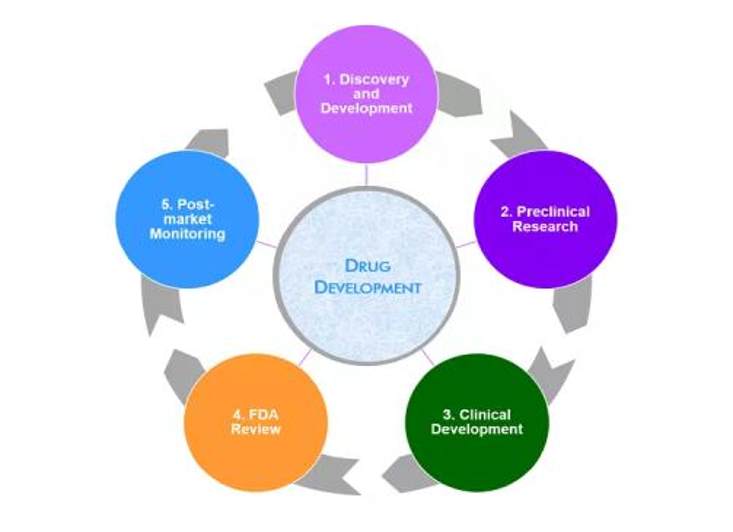
The drug development pipeline consists of several interconnected stages where analytical techniques are systematically applied to support decision-making, ensure safety, and maintain quality (Khalikova et al., 2024). In the drug discovery phase, analytical methods are used for the identification and characterization of potential drug candidates, including structural elucidation and preliminary purity assessment. During preclinical studies, analytical testing focuses on pharmacokinetics, toxicology, and formulation development, requiring sensitive methods for impurity profiling and stability evaluation. (Khalikova et al., 2024; Amadi et al., 2025)
Clinical trials demand robust bioanalytical methods for drug quantification in biological matrices, metabolite identification, and biomarker analysis to support safety and efficacy evaluations. Regulatory approval relies on comprehensive analytical data packages demonstrating consistency, purity, and potency (Kumar et al., 2018). In the manufacturing stage, process analytical technology and routine quality control testing ensure batch-to-batch reproducibility. Post-marketing surveillance involves continued stability monitoring, pharmacovigilance-related impurity tracking, and counterfeit detection. (Kumar et al., 2018)
Source: Kumar et al. (2018)
As shown in fig 1. Pharmaceutical analysis plays a critical role throughout the entire drug development lifecycle, from initial drug discovery to post-marketing surveillance Kumar et al., 2018). During drug discovery and preclinical development, analytical techniques are used to characterize active pharmaceutical ingredients (APIs), evaluate purity, and investigate physicochemical properties. Manivardhan Reddy & Ramadevi, (2025) stated that in clinical trials, validated analytical methods ensure accurate measurement of drug concentrations, metabolites, and biomarkers to support safety and efficacy assessments. During regulatory approval and manufacturing, analytical testing verifies product quality, stability, consistency, and compliance with regulatory requirements. Following commercialization, analytical monitoring continues through pharmacovigilance and post-marketing surveillance programs to detect quality defects, degradation products, and potential safety concerns (Kumar et al., 2018). Consequently, pharmaceutical analysis serves as an essential component of quality assurance and decision-making across all stages of the drug development pipeline (Manivardhan Reddy & Ramadevi, 2025).
Analytical methods support critical decision-making at every stage by providing reliable data for go/no-go decisions, optimizing formulations, ensuring regulatory compliance, and maintaining product quality throughout the lifecycle. The integration of analytical support ensures adherence to stringent quality and regulatory standards across the entire process. (Manivardhan Reddy & Ramadevi, 2025)
Importance of Analytical Testing in Quality Control
Analytical testing in quality control is essential for verifying that pharmaceutical products meet established specifications for identity, potency, purity, and stability (Kelly, 2022). It forms the backbone of drug development, regulatory compliance, and therapeutic reliability (Kelly, 2022). Pharmaceutical analysis primarily focuses on methods for identifying and quantifying potential new drug candidates, determining purity, identifying by-products and degradation products in compatibility and stability studies. (Kelly, 2022). As summarized in table 1 The three main attributes of drug quality are identity, strength and purity. Of these, in the case of bulk drug materials, purity is of prominent importance. (Görög, 2008)
Table 1. Key quality attributes evaluated in pharmaceutical analysis
Quality Attribute | Purpose | Analytical Requirement |
Identity | Confirm the drug is what it is claimed to be | Specific spectroscopic or chromatographic methods |
Purity | Detect and quantify impurities and degradation products | High sensitivity separation techniques |
Potency | Measure the strength or activity of the active ingredient | Assay methods including biological or chemical |
Stability | Assess shelf-life and degradation under various conditions | Forced degradation and long-term stability studies |
Source: Görög (2008)
Identity testing ensures the correct active pharmaceutical ingredient is present, preventing mix-ups or counterfeits (Yang et al., 2025). Purity testing is critical to detect impurities that could affect safety or efficacy. Potency testing confirms the drug delivers the intended therapeutic effect. Stability testing evaluates how the product behaves over time under different environmental conditions, which is vital for establishing shelf life and storage requirements (Yang et al., 2025). These quality parameters are indispensable for patient safety and product efficacy. (Yang et al., 2025).
Chromatographic Techniques in Modern Pharmaceutical Analysis
High-performance liquid chromatography (HPLC) is the dominant technique in pharmaceutical and phytochemical analysis of various bioactive compounds (Parys et al., 2022). Compared with other analytical techniques, HPLC offers high sensitivity and accuracy of qualitative and quantitative analysis of pharmaceutically active compounds (APIs) in different samples and matrices, including synthetic drug products and plant materials (Parys et al., 2022). HPLC has contributed as a reliable analytical tool in the pharmaceutical industry for quality and quantity control of natural and synthetic drugs, drug substances, and chemical stability studies (Parys et al., 2022). The technique is widely used for the identification, separation, and quantification of pharmaceutical compounds because of its versatility, reproducibility, robustness, and compatibility with a wide range of detectors including UV-Visible spectroscopy, diode array detection, fluorescence detection, and mass spectrometry (Parys et al., 2022). HPLC remains one of the most important analytical methodologies employed throughout drug discovery, formulation development, quality control, bioanalysis, impurity profiling, dissolution testing, pharmacokinetic studies, and stability assessment (Mekonnen et al., 2024; Parys et al., 2022).
The principle of HPLC is based on the differential distribution of analytes between a stationary phase and a mobile phase under high pressure conditions (Parys et al., 2022). Components of a sample mixture are separated according to differences in their interactions with the chromatographic column, resulting in distinct retention times that facilitate identification and quantification (Parys et al., 2022). The method is extensively utilized for assay determination, impurity testing, degradation product analysis, therapeutic drug monitoring, and characterization of pharmaceutical formulations (Mekonnen et al., 2024; Sen aet al., 2024). HPLC is particularly valuable because it provides excellent precision, high sensitivity, reproducibility, and suitability for complex pharmaceutical matrices (Parys et al., 2022). However, limitations include relatively long analysis times, high solvent consumption, significant operational costs, and the generation of chemical waste associated with mobile phase usage (Mehta et al., 2024; Parys et al., 2022).
Source: Mehta et al. (2024)
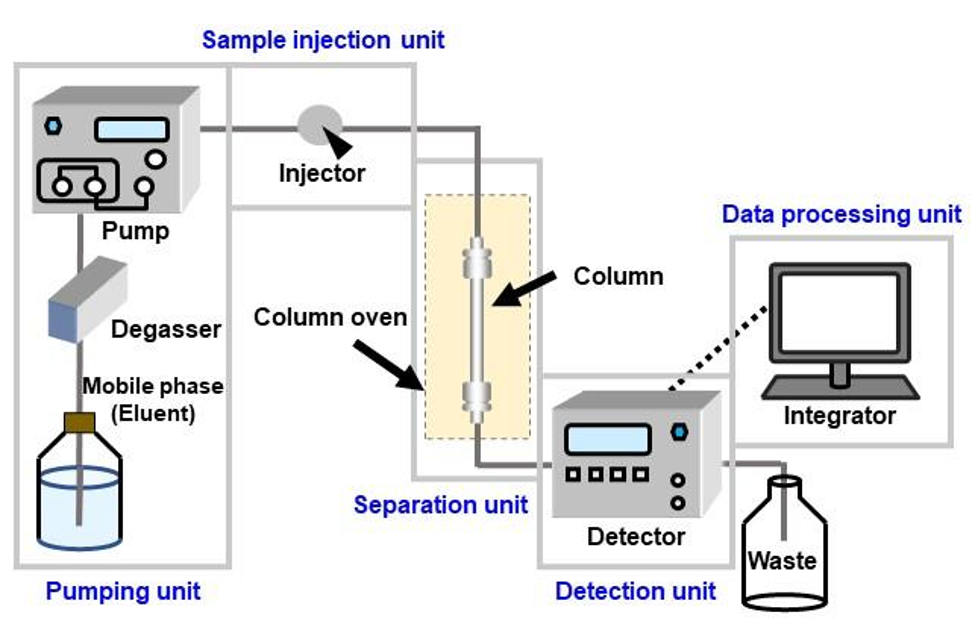
The figure 2 depicts that the separation process begins with sample preparation and introduction into the chromatographic system through injection (Parys et al., 2022; Mekonnen et al., 2024). As the sample passes through the separation column, individual analytes interact differently with the stationary and mobile phases, resulting in chromatographic separation. Detection systems subsequently generate signals proportional to analyte concentration, allowing qualitative identification and quantitative determination of pharmaceutical compounds through chromatographic data analysis (Parys et al., 2022; Mekonnen et al., 2024).
Recent developments in pharmaceutical analysis continue to expand HPLC applications through improved stationary phases, advanced detectors, automation technologies, and integration with Quality by Design (QbD) concepts for robust analytical method development (Oliva, 2025; Babić et al., 2024). HPLC remains indispensable for pharmaceutical quality assurance because of its ability to simultaneously evaluate potency, purity, stability, and impurity profiles within a single analytical platform (Parys et al., 2022; Sen et al., 2024).
Ultra-performance liquid chromatography (UPLC) has gained particular popularity due to the possibility of faster separation of small molecules and improved analytical performance compared with conventional HPLC (Pyka-Pająk et al., 2022). UPLC utilizes columns packed with sub-2 μm particles and operates at significantly higher pressures, enabling enhanced chromatographic efficiency, shorter run times, improved sensitivity, and better resolution (Pyka-Pająk et al., 2022; Ibrahim et al., 2023). The technology has become increasingly important in pharmaceutical quality control, impurity profiling, bioanalysis, metabolite identification, and stability-indicating studies because of its ability to provide rapid and highly reproducible separations (Pyka-Pająk et al., 2022; Ibrahim et al., 2023).
UPLC has demonstrated advantages in reducing solvent consumption, improving laboratory
productivity, increasing throughput, and enabling the analysis of complex pharmaceutical formulations with greater accuracy and precision (Pyka-Pająk et al., 2022). The technique is particularly valuable for pharmaceutical industries seeking faster analytical turnaround times while maintaining regulatory compliance and analytical robustness (Ibrahim et al., 2023). Applications of UPLC continue to expand as pharmaceutical products become increasingly complex and demand more sensitive analytical methodologies (Oliva, 2025).
Sources: Pyka-Pająk et al. (2022). Ibrahim et al. (2023). Oliva (2025)
Table 2. Comparison of HPLC and UPLC techniques
Parameter | HPLC | UPLC |
Particle Size | Larger particles | Sub-2 μm particles |
Operating Pressure | Lower pressure | Higher pressure |
Analysis Time | Longer | Shorter |
Resolution | Good | Higher |
Sensitivity | High | Higher |
Solvent Consumption | Higher | Lower |
UPLC provides improved chromatographic efficiency through the use of smaller particle sizes and higher operating pressures. Compared with HPLC, UPLC generally achieves faster separations, enhanced resolution, increased sensitivity, reduced solvent consumption, and improved throughput table 3 (Pyka-Pająk et al., 2022; Ibrahim et al., 2023). These analytical performance advantages make UPLC particularly suitable for modern pharmaceutical laboratories that require rapid, precise, and high-capacity analytical workflows (Pyka-Pająk et al., 2022; Ibrahim et al., 2023).
The growing implementation of Quality by Design methodologies in chromatographic method development has further strengthened the application of UPLC by improving method robustness, reliability, and lifecycle management throughout pharmaceutical analysis (Babić et al., 2024; Ibrahim et al., 2023).
Gas chromatography (GC) remains an important analytical technique in pharmaceutical analysis despite the predominance of liquid chromatographic methods (Parys et al., 2022). GC is particularly suitable for the analysis of volatile and semi-volatile compounds, residual solvents, volatile organic compounds, degradation products, extractables, leachables, reagents, and synthetic intermediates (Stoll et al., 2019; Parys et al., 2022). The technique separates analytes based on differences in volatility and interactions with the stationary phase under controlled temperature conditions, allowing highly efficient separations and sensitive detection of pharmaceutical impurities (Stoll et al., 2019).
Gas chromatography offers several advantages, including high separation efficiency, excellent resolving power, wide dynamic range, rapid analysis, and compatibility with detectors such as flame ionization detection and mass spectrometry (Stoll et al., 2019). GC-MS has become particularly valuable for impurity profiling, residual solvent determination, toxicological investigations, and characterization of volatile degradation products in pharmaceutical substances and formulations (Stoll et al., 2019; Parys et al., 2022). The technique is routinely employed for compliance with regulatory requirements related to solvent residues and genotoxic impurities (Stoll et al., 2019).
Source: Stoll et al. (2019); Parys et al. (2022)
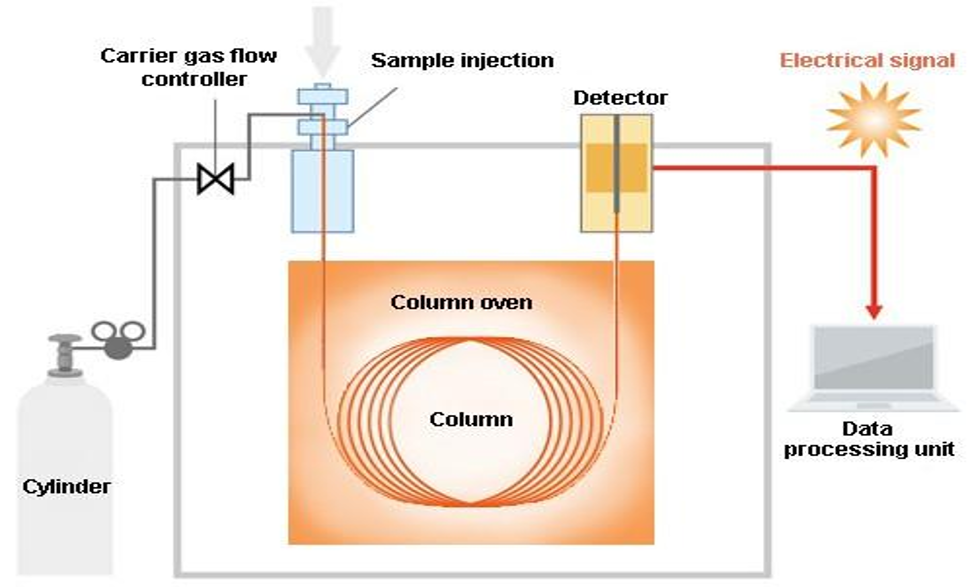
In gas chromatographic analysis as shown in figure 3, the sample undergoes vaporization before entering the chromatographic column. Separation occurs according to analyte volatility and interactions with the stationary phase (Stoll et al., 2019; Parys et al., 2022). Following chromatographic separation, detectors generate signals corresponding to individual components, enabling identification, quantification, impurity profiling, and quality assessment of pharmaceutical compounds (Stoll et al., 2019; Parys et al., 2022). GC is particularly useful for volatile analytes, residual solvent testing, degradation product analysis, and characterization of trace impurities in pharmaceutical products (Stoll et al., 2019; Parys et al., 2022).
Recent advances in chromatographic science continue to enhance the role of GC through improved detectors, hyphenated GC-MS systems, automation technologies, and integration into comprehensive pharmaceutical analytical platforms designed to support modern drug development and quality control requirements (Oliva, 2025; Parys et al., 2022).
Spectroscopic and Hyphenated Analytical Techniques
UV–Visible and Fluorescence Spectroscopy
Spectroscopic techniques play a fundamental role in modern pharmaceutical analysis because they provide rapid, non-destructive, sensitive, and cost-effective approaches for the identification and quantification of pharmaceutical compounds. Spectroscopy includes ultraviolet–visible (UV–Vis), fluorescence (FL), infrared (IR), near-infrared (NIR), Raman, and nuclear magnetic resonance (NMR) methods that can be applied for analytical characterization and quality assessment of compounds (Semeniuc & Mureșan, 2023) Visible spectroscopy is one of the most widely employed analytical tools in the pharmaceutical industry for determining the identity, strength, quality, and purity of pharmaceutical substances and formulations (Shabbir & Chauhan, 2024). The technique is based on the absorption of ultraviolet and visible radiation by molecules, resulting in electronic transitions that can be measured quantitatively to determine analyte concentration (Shabbir & Chauhan, 2024).
UV–Visible spectroscopy is extensively applied in drug assay determination, dissolution testing, stability studies, quality control, impurity monitoring, and routine pharmaceutical analysis because of its simplicity, rapidity, affordability, and reproducibility (Shabbir & Chauhan, 2024) Fluorescence spectroscopy provides enhanced sensitivity compared with conventional UV–Visible spectroscopy and is particularly useful for the analysis of compounds possessing intrinsic fluorescence or those derivatized with fluorescent probes (Hameedat et al., 2022). Fluorescence-based analytical methods are widely employed in pharmaceutical, clinical, environmental, and bioanalytical applications because of their ability to detect analytes at trace concentrations with high selectivity (Hameedat et al., 2022).The integration of fluorescence detection with chromatographic systems has further expanded pharmaceutical applications by enabling highly sensitive quantitative analysis of active pharmaceutical ingredients, metabolites, and degradation products (Parys et al., 2022).
Table 3. Common spectroscopic techniques and their applications
Technique | Principle | Pharmaceutical Application |
UV–Visible Spectroscopy | Absorption of UV/Visible radiation | Drug assay, dissolution testing, quality control |
Fluorescence Spectroscopy | Emission of light after excitation | Trace analysis, bioanalysis, impurity detection |
Infrared Spectroscopy | Molecular vibration analysis | Functional group identification |
Raman Spectroscopy | Inelastic light scattering | Drug characterization and authentication |
NMR Spectroscopy | Nuclear magnetic resonance | Structural elucidation |
Sources: Parys et al. (2022); Hameedat et al. (2022). Shabbir & Chauhan (2024)
Different spectroscopic techniques provide complementary analytical information (table 3). UV–Visible spectroscopy is suitable for routine quantitative analysis, whereas fluorescence spectroscopy offers greater sensitivity for trace-level measurements (Shabbir & Chauhan, 2024). Infrared and Raman spectroscopy provide molecular fingerprint information for compound identification, while NMR spectroscopy remains one of the most powerful tools for structural characterization and confirmation of pharmaceutical compounds (Semeniuc & Mureșan, 2023). The selection of an appropriate spectroscopic method depends on analyte properties, required sensitivity, sample complexity, and analytical objectives (Shabbir & Chauhan, 2024).
Mass Spectrometry (MS)
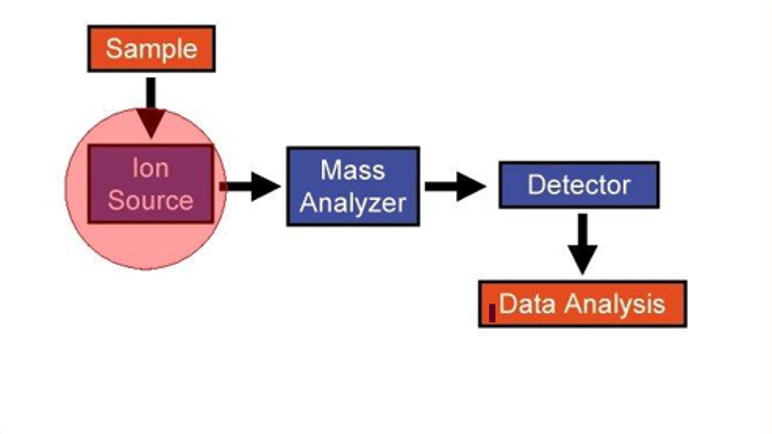
Mass spectrometry (MS) is one of the most powerful analytical technologies available for pharmaceutical analysis because it provides highly sensitive and selective molecular identification capabilities (López-Cobo et al., 2022). MS is widely used for the characterization of pharmaceutical compounds, metabolites, impurities, degradation products, biomarkers, and biological molecules owing to its exceptional analytical performance (López-Cobo et al., 2022). The technique operates by generating ions from analyte molecules and subsequently separating them according to their mass-to-charge ratios, allowing accurate molecular characterization and identification (López-Cobo et al., 2022).
Mass spectrometry provides superior selectivity and sensitivity compared with many traditional analytical methods and enables confident identification, structural confirmation, and trace-level quantification of compounds in complex matrices (Barganska et al., 2025). The capability of MS to generate molecular weight information and fragmentation patterns makes it particularly valuable for pharmaceutical research, drug development, impurity profiling, pharmacokinetic investigations, and metabolite identification (López-Cobo et al., 2022)
Mass spectrometric analysis begins with ionization, during which analyte molecules are converted into charged species (López-Cobo et al., 2022). These ions subsequently undergo mass separation according to their mass-to-charge ratios before reaching the detector (López-Cobo et al., 2022). The resulting mass spectra are interpreted to determine molecular weight, structural information, fragmentation characteristics, and chemical identity. In pharmaceutical analysis, this workflow supports drug identification, impurity characterization, metabolite profiling, degradation studies, and quantitative analysis at extremely low concentration levels (López-Cobo et al., 2022; Barganska et al., 2025).
The high sensitivity and specificity of MS have made it indispensable in modern pharmaceutical laboratories where accurate molecular characterization is required for regulatory compliance and product quality assurance (Parys et al., 2022).
Hyphenated Techniques
Hyphenated analytical techniques combine two or more analytical methodologies into a single integrated platform to enhance analytical performance and expand characterization capabilities (Parys et al., 2022). The most widely used hyphenated systems in pharmaceutical analysis include liquid chromatography–mass spectrometry (LC–MS), gas chromatography–mass spectrometry (GC–MS), and liquid chromatography–nuclear magnetic resonance (LC–NMR) (Parys et al., 2022). These techniques integrate the separation power of chromatography with the structural characterization capabilities of spectrometric or spectroscopic detectors, resulting in highly informative analytical systems (Parys et al., 2022).
LC–MS has become one of the most important platforms in pharmaceutical analysis because it enables the separation, identification, and quantification of non-volatile and thermally labile compounds with exceptional sensitivity and specificity (Barganska et al., 2025). GC–MS is particularly useful for volatile and semi-volatile compounds and remains a gold standard for residual solvent analysis, impurity profiling, and volatile compound characterization (Parys et al., 2022). LC–NMR represents a powerful analytical approach for the identification of unknown compounds, impurity characterization, and degradation product studies because it combines chromatographic separation with detailed structural elucidation capabilities (Parys et al., 2022).
Sources: Barganska et al. (2025) (Parys et al. (2022)
As displayed in figure 5 above hyphenated analytical systems begin with chromatographic separation of complex mixtures into individual components (Parys et al., 2022). The separated analytes are subsequently transferred to advanced detectors such as mass spectrometers or NMR systems for molecular characterization. This integrated workflow enables simultaneous separation, identification, structural elucidation, and quantification of pharmaceutical compounds (Parys et al., 2022). The combination of analytical platforms significantly enhances sensitivity, selectivity, resolution, and confidence in compound identification compared with single-technique approaches (Parys et al., 2022).
Source: Parys et al. (2022)
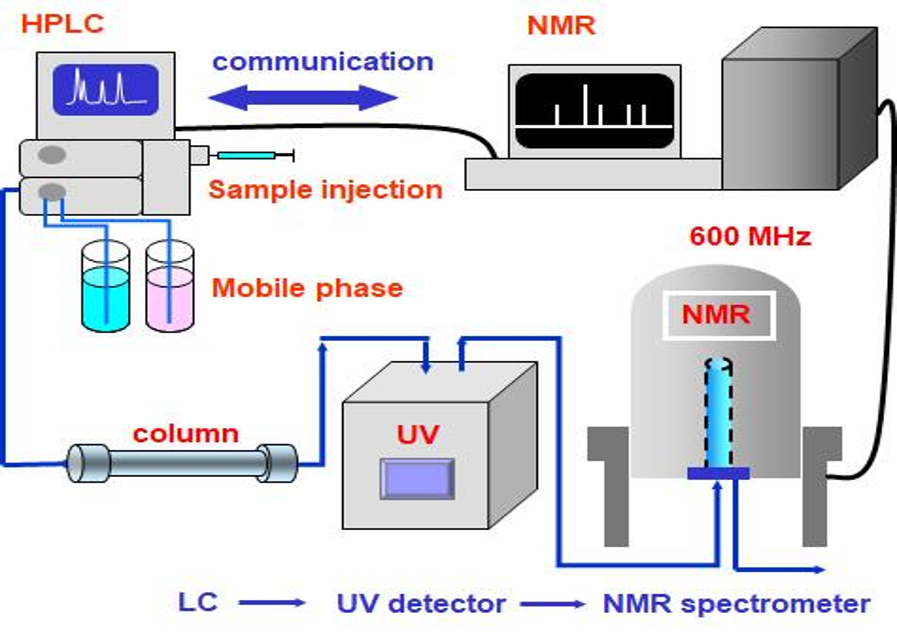
The growing adoption of hyphenated analytical technologies reflects the increasing complexity of modern pharmaceuticals and the demand for comprehensive analytical information as summarized in Table 4. By combining chromatographic separation with advanced molecular characterization techniques, hyphenated platforms provide powerful solutions for drug development, quality control, impurity profiling, stability studies, metabolomics, and pharmaceutical research (Parys et al., 2022)
Table 4. Hyphenated analytical techniques and their applications
Technique | Major Application | Key Advantage |
LC–MS | Drug analysis, metabolite profiling | High sensitivity and selectivity |
GC–MS | Volatile compounds, residual solvents | Excellent separation and identification |
LC–NMR | Structural elucidation | Detailed molecular characterization |
LC–MS/MS | Trace-level quantification | Enhanced specificity |
|
|
|
GC–MS/MS | Impurity analysis | Improved detection capability |
Emerging Analytical Technologies and Modern Methodologies
Process Analytical Technology (PAT) represents a transformative approach in pharmaceutical manufacturing, shifting the paradigm from testing quality into the product to building quality into the process. This shift is fundamentally rooted in the integration of real-time monitoring and control of critical quality attributes (CQAs) and critical process parameters (CPPs). By utilizing advanced spectroscopic techniques such as Near-Infrared (NIR) and Raman spectroscopy, manufacturers can achieve continuous monitoring of chemical and physical properties throughout the production cycle (Roggo et al., 2007). This transition is intrinsically linked to the principles of Quality by Design (QbD), a systematic approach to development that begins with predefined objectives and emphasizes product and process understanding and process control (Yu et al., 2014).
The implementation of PAT allows for significant process optimization by reducing variability and identifying deviations immediately rather than at the end of the batch (Read et al., 2010). This capability minimizes waste, ensures regulatory compliance, and facilitates the shift toward continuous manufacturing (Read et al., 2010). Studies have demonstrated that the adoption of these inline monitoring systems significantly enhances the capability to stabilize processes, thereby ensuring higher yields and consistent product performance (Read et al., 2010).
The incorporation of Artificial Intelligence (AI) and Machine Learning (ML) has revolutionized pharmaceutical analysis by enabling the processing of high-dimensional data generated from modern analytical instrumentation (Baskin et al., 2016). AI-driven data analysis platforms utilize complex algorithms to identify subtle patterns and correlations that traditional statistical methods often overlook (Baskin et al., 2016). In the context of drug development, predictive analytics allows researchers to forecast pharmaceutical behaviors, such as stability or dissolution profiles, by leveraging historical datasets and real-time inputs (Baskin et al., 2016).
The synergy between automated analytical instrumentation and ML models provides a robust framework for predictive quality control (Vamathevan et al., 2019). By automating the interpretation of chromatographic or spectroscopic results, laboratories can achieve higher throughput while reducing human error and subjectivity (Vamathevan et al., 2019). Recent evidence suggests that these intelligent systems are essential for managing the sheer volume of data produced during the lifecycle of complex drug products, thereby enabling more informed decision-making throughout the analytical workflow (Vamathevan et al., 2019).
Technology | Application | Major Benefit |
PAT (Spectroscopy) | Real-time CQA monitoring | Reduced batch variability |
Deep Learning | Spectral pattern recognition | Enhanced signal-to-noise ratio |
Digital Twins | Process simulation | Accelerated design space definition |
Source: Vamathevan et al. (2019).
Regulatory Considerations and Validation Requirements
Analytical method validation is the documented process of demonstrating that an analytical procedure is suitable for its intended purpose, ensuring that the method consistently produces reliable, accurate, and reproducible results (International Council for Harmonisation [ICH], 2024). This process is a critical component of regulatory compliance, as mandated by agencies such as the FDA and EMA, to ensure that testing methods used during drug development and release meet scientific standards table 6 (FDA, 2023).
Table 6. Analytical method validation parameters
Parameter | Definition | Importance |
Accuracy | Closeness of test results to the true value | Reliability |
Precision | Degree of agreement among individual test results | Consistency |
Specificity | Ability to assess the analyte in the presence of components | Correct identification |
LOD | Lowest amount of analyte that can be detected | Sensitivity |
LOQ | Lowest amount of analyte that can be quantitatively determined | Quantitative reliability |
Sources: FDA (2023); International Council for Harmonization [ICH] (2024)
Regulatory expectations necessitate that manufacturers demonstrate the validity of their methods through rigorous statistical analysis, often referencing the ICH Q2(R2) guideline (ICH, 2024). Auditors and regulatory bodies frequently request data establishing these parameters to confirm that analytical procedures reliably measure critical quality attributes such as purity and potency (IntuitionLabs, 2026). Failure to provide such validation data is a common deficiency in regulatory submissions and can lead to significant delays in product approval.
Compliance with global regulatory frameworks is non-negotiable in the pharmaceutical industry. The ICH Q2(R2) guideline serves as the global standard for analytical procedure validation, providing a harmonized framework that facilitates international acceptance of data (ICH, 2024).The FDA emphasizes that validated methods must be capable of delivering reliable results without interference, directly impacting patient safety (FDA, 2023). Similarly, EMA recommendations align with these global standards, focusing on risk-based approaches and data integrity. Good Manufacturing Practice (GMP) compliance mandates that all analytical instruments be qualified and calibrated, with strict adherence to documentation practices to ensure data traceability and defensibility (IntuitionLabs, 2026).
The pharmaceutical analysis landscape is currently challenged by the increasing structural complexity of biopharmaceuticals, which necessitates a broad spectrum of sophisticated analytical methods (Biopharmaceutical Analysis, 2026). These advancements often result in high instrument operational costs and a critical need for highly skilled personnel to implement and interpret complex data outputs. Furthermore, achieving method standardization remains difficult due to the heterogeneity of drug products and varying regulatory requirements across global markets (Biopharmaceutical Analysis, 2026). Overcoming these barriers requires a transition toward automation and the integration of digital tools. By adopting high-throughput analytical techniques and risk-based quality control strategies, manufacturers can mitigate the impact of rising costs while simultaneously enhancing the sensitivity and reliability of their testing procedures (Biopharmaceutical Analysis, 2026).
Emerging Trend | Potential Impact |
AI-Integrated Platforms | Optimized drug discovery and predictive maintenance |
Nanotechnology Sensors | Enhanced sensitivity in targeted drug delivery analysis |
Portable Devices | Rapid, point-of-care quality verification |
Automation & Robotics | Reduction in human error and increased throughput |
Table 7. Future trends in pharmaceutical analysis
The pharmaceutical landscape is currently undergoing a paradigm shift driven by the integration of sophisticated analytical technologies and modernized methodological frameworks. As drug complexity increases, particularly with the rise of biopharmaceuticals and personalized medicine, traditional analytical approaches are being supplanted by high-throughput, automated, and AI-assisted platforms. These advancements ranging from real-time Process Analytical Technology (PAT) to nanotechnology-based sensors have fundamentally enhanced the precision, sensitivity, and efficiency of drug development and quality control. Modern analytical technologies are not merely auxiliary tools; they are the bedrock of pharmaceutical quality assurance. The adoption of chemometrics and machine learning has revolutionized data interpretation, allowing for predictive analytics that identify deviations before they compromise product integrity. Furthermore, the transition toward continuous manufacturing and real-time monitoring, supported by robust regulatory frameworks like ICH Q2(R2), ensures that quality is "built into" the process rather than verified through retrospective testing.
The regulatory and quality implications of these innovations are profound. Agencies globally are adapting their expectations, shifting toward risk-based and data-driven compliance models that mandate rigorous validation of automated systems. While this transition introduces challenges regarding operational costs and the need for specialized personnel, the long-term benefits reduced waste, improved safety, and faster time-to-market are substantial.
Looking forward, the future of pharmaceutical innovation lies in the convergence of digital ecosystems and advanced molecular diagnostics. The ongoing digitization of laboratory workflows, combined with autonomous robotics and AI-integrated platforms, is poised to redefine the speed and accuracy of scientific discovery. By fostering a culture of continuous technological adoption and collaborative regulatory engagement, the industry is well-positioned to meet the escalating demands of global healthcare, ultimately ensuring the delivery of safer, more effective life-saving treatments to patients worldwide.
Authors’ Contributions
The authors of this research have significantly contributed to the study’s conception, data collection, and manuscript development. All authors were involved in writing the manuscript or critically reviewing it for its intellectual value. They have reviewed and approved the final version for submission and publication and accept full responsibility for the content and integrity of the work.
Acknowledgement
We thank all the researchers who contributed to the success of this research work.
Conflict of Interest
The authors declared that there are no conflicts of interest.
Funding
No funding was received for this research work