REVIEW ARTICLE | DOI: https://doi.org/dx.doi.org/JARBB/PP.0012
1 Department of Anatomy, School of Basic Medical Science, Ladoke Akintola University of Technology, Ogbomoso, Oyo State, Nigeria
2Department of Genetics and Biotechnology, Faculty of Biological Sciences, University: University of Calabar, Calabar, Cross River State, Nigeria
3Department of Medicine and Surgery, College of Medicine, University of Lagos, Lagos State, Nigeria
4Department of Biochemistry, Faculty of Biosciences, Federal University Wukari, Taraba State, Nigeria
5ResearchHub Nexus Institute, Nigeria.
6Department of Chemical Sciences, Faculty of Science, Anchor University, Ayobo, Lagos State, Nigeria
*Corresponding Author: Moses Adondua Abah
Citation: Davies Favour Toluwalola , Ogbaji Henderson Onah , Cassandra Nwokoro , Moses Adondua Abah and Micheal Oladosu Abimbola (2026) Stem Cell Therapy: A Comprehensive Review of Current Status, Challenges, and Future Directions in Regenerative Medicine, Tissue Engineering and Personalized Medicine, J. Advanced Research in Biochemistry and Biotechnology, 2(4): dx.doi.org/JARBB/PP.0012
Copyright  :
© 2026 Moses Adondua Abah. This is an open-access article distributed under the terms of the Creative Commons Attribution License, which permits unrestricted use, distribution, and reproduction in any medium, provided the original author and source are credited.
:
© 2026 Moses Adondua Abah. This is an open-access article distributed under the terms of the Creative Commons Attribution License, which permits unrestricted use, distribution, and reproduction in any medium, provided the original author and source are credited.
Received: 15 June 2026 | Accepted: 05 August 2026 | Published: 04 September 2026
Keywords: Stem Cell Therapy; Regenerative Medicine;Mesenchymal Stem Cells;Induced Plipotent Stem Cells; and Tissue Repair.
Stem cell therapy has emerged as a transformative approach in regenerative medicine, tissue engineering, and personalized medicine. This comprehensive review examines the current landscape of stem cell research, highlighting major advances, ongoing challenges, and future prospects. Significant progress has been achieved in the isolation, characterization, and differentiation of various stem cell types, including embryonic stem cells (ESCs), induced pluripotent stem cells (iPSCs), and adult stem cells. These advances have fueled the development of innovative therapeutic strategies aimed at repairing or replacing damaged tissues in conditions such as neurodegenerative diseases, cardiovascular disorders, and orthopedic injuries. Despite remarkable achievements, several challenges impede the clinical translation of stem cell therapies. Critical obstacles include immune rejection, tumorigenicity, ethical concerns especially with ESCs and issues related to cell sourcing, scalability, and standardization of protocols. Additionally, regulatory and manufacturing hurdles must be overcome to ensure the safety and efficacy of stem cell-based products. In the context of tissue engineering, integrating stem cells with biomaterials and scaffolds is a promising yet technically complex endeavor, requiring further optimization to enable functional tissue regeneration. Looking ahead, the future of stem cell therapy will likely be shaped by advances in gene editing, bioprinting, and personalized medicine. The integration of omics technologies and artificial intelligence may streamline patient-specific therapy design, while ongoing clinical trials continue to expand the evidence base for safety and effectiveness. Collaborative efforts among scientists, clinicians, and regulatory bodies are essential for overcoming current barriers and realizing the full potential of stem cell therapy. In summary, while significant challenges remain, stem cell therapy holds great promise to revolutionize regenerative medicine and patient care.
One of the most exciting areas of biomedical research is stem cell therapy, which has the potential to completely change the way that medicine views disease modelling, tissue restoration, and regenerative treatments. The therapeutic potential of stem cells is based on their dual ability to develop into specialised cell types and self-renew (Mousaei Ghasroldasht et al., 2022). Their adaptability has made them a pillar of translational research, connecting basic biology with therapeutic uses and stimulating the development of novel approaches to the treatment of diseases that were previously untreatable (Yusuf et al., 2026). The origin and capacity for development of stem cells are reflected in their classification. The inner cell mass of blastocysts is the source of embryonic stem cells (ESCs), which are pluripotent and capable of differentiating into almost every type of human cell. Although their therapeutic use is limited by ethical concerns and hazards such teratoma formation, they have offered priceless insights into developmental biology and continue to be a standard for pluripotency research (Panferov et al., 2025). By transforming adult somatic cells into a pluripotent state, induced pluripotent stem cells (iPSCs), first shown by Takahashi and Yamanaka in 2006, represent a revolutionary advancement. In addition to avoiding ethical issues, this invention makes patient-specific cell lines possible, opening the door for autologous transplantation without the possibility of immunological rejection, personalised treatment, and disease modelling (Panferov et al., 2025). Isolated from adult tissues such bone marrow, adipose tissue, and umbilical cord, mesenchymal stem cells (MSCs) are multipotent and can differentiate into mesodermal lineages like adipocytes, chondrocytes, and osteoblasts (Micah et al., 2026). With applications spanning from tissue regeneration to autoimmune illnesses, MSCs are the most investigated stem cell type in clinical trials due to their immunomodulatory qualities and relative simplicity of separation (Pérezzariu et al., 2025).
The biomedical significance of stem cell therapy is multifaceted (Faremi et al., 2023). ESCs, despite their limitations, remain critical for understanding early human development and serve as a reference point for pluripotency. iPSCs have transformed the landscape of personalized medicine by enabling the creation of patient-specific disease models, which allow researchers to replicate pathological mechanisms in vitro and test pharmacological interventions with unprecedented precision. MSCs, meanwhile, have advanced rapidly into clinical practice due to their immunomodulatory and regenerative capacities (Abubakar et al., 2019; Yohanna et al., 2025). They are being investigated for conditions such as graft-versus-host disease, myocardial infarction, cartilage repair, and neurodegenerative disorders, with clinical trials reporting encouraging outcomes despite ongoing challenges related to heterogeneity, scalability, and long-term safety (Pînzariu et al., 2025). Beyond direct therapeutic applications, stem cells also serve as indispensable tools for drug discovery and disease modeling, reinforcing their dual role as both therapeutic agents and investigative platforms.
This review's objective is to present a thorough overview of the state of stem cell therapy today, critically analyzing the advancements made in ESCs, iPSCs, and MSCs while addressing the obstacles preventing their broad clinical use. The publication also aims to provide a comprehensive and critical analysis of stem cell therapy by examining its status, therapeutic applications, and scientific progress, while identifying the major challenges that hinder its clinical translation. Furthermore, the review seeks to explore future directions and emerging strategies that can enhance the safety, efficacy, and accessibility of stem cell–based treatments, thereby offering insights into their potential role in advancing modern medicine and improving patient outcomes.
Types of Stem Cells
Embryonic Stem Cells (ESCs)
Embryonic stem cells (ESCs) are derived from the inner cell mass of pre-implantation blastocyst-stage embryos and are
renowned for their pluripotency, which allows them to differentiate into almost any cell type in the human body (Liu et al., 2021). This remarkable capability underpins much of their appeal for regenerative medicine and tissue engineering, as they could theoretically generate replacement tissues or organs for a wide range of diseases, including neurodegenerative disorders, diabetes, and cardiovascular conditions (Thomson et al., 2020). The ability of ESCs to proliferate indefinitely in vitro enables researchers to generate large numbers of cells for experimentation and potential therapeutic use, paving the way for advances in basic biology, disease modeling, and drug discovery.
Despite these advantages, the use of ESCs is fraught with ethical and legal challenges. The derivation process involves the destruction of human embryos, prompting significant ethical debate and varying regulations worldwide (Zakrzewski et al., 2019). In some jurisdictions, research on human ESCs is strictly regulated or even prohibited, which has driven scientists to explore alternative sources such as induced pluripotent stem cells (iPSCs). Additionally, issues such as potential immune rejection, since ESC-derived tissues may not be genetically identical to the recipient, and the risk of teratoma (tumor) formation following transplantation, present formidable clinical challenges (Trounson & DeWitt, 2016).
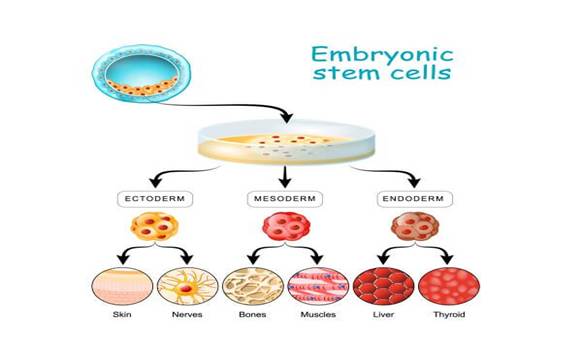
Figure 1. Embryonic stem cell culture
Source: Shi et al. (2017)
Recent research has focused on improving the safety and efficiency of ESC-based therapies. Advances in gene editing technologies, such as CRISPR-Cas9, allow for precise genetic modifications to reduce immunogenicity and enhance therapeutic outcomes (Shi et al., 2017). Developments in xeno-free, chemically defined culture systems have reduced the risk of pathogen transmission and improved the reproducibility of differentiation protocols (Liu et al., 2021). Furthermore, single-cell omics approaches are aiding in the identification of specific pathways involved in cell fate determination, facilitating the generation of highly pure and functional cell populations for transplantation. As the field evolves, ongoing interdisciplinary collaboration will be essential to address lingering ethical, immunological, and technical hurdles.
Adult Stem Cells
Adult stem cells, often termed somatic or tissue-resident stem cells, are multipotent cells found in many tissues, including bone marrow, adipose tissue, skeletal muscle, and the nervous system. Unlike ESCs, adult stem cells usually give rise to the specialized cell types of their tissue of origin, though some, like mesenchymal stem cells (MSCs), exhibit broader differentiation potential (Zakrzewski et al., 2019). Hematopoietic stem cells (HSCs), for instance, are responsible for the continuous production of all blood cell types and have formed the basis of bone marrow transplantation for hematological diseases for over five decades. MSCs can differentiate into osteocytes, chondrocytes, and adipocytes, and are being explored for their anti-inflammatory and immunomodulatory properties in treating autoimmune and degenerative diseases (Squillaro et al., 2020).
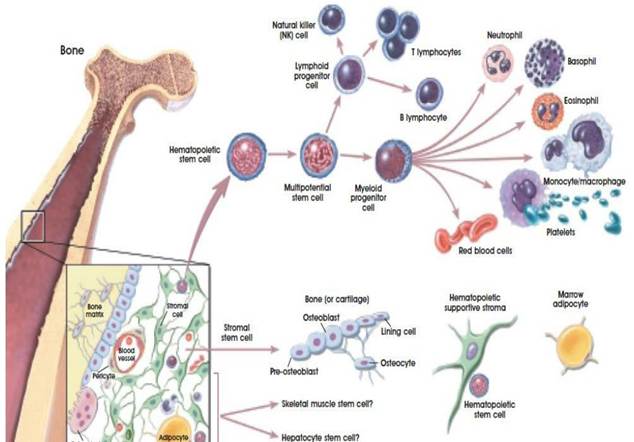
Figure 2. Composition of adult stem cells
Source: Liu et al. (2021)
One of the main advantages of adult stem cells lies in their accessibility and reduced ethical concerns compared to ESCs. As these cells can often be harvested from the patient (autologous transplantation), the risk of immune rejection and ethical issues related to embryo destruction are minimized (Friedenstein et al., 2022). However, adult stem cells are not without limitations. Their proliferative and differentiation potential declines with age, and they are often present in very low numbers within tissues, complicating their isolation and expansion for clinical use. Furthermore, their restricted differentiation potential limits their application across different tissue types (Liu et al., 2021).
Recent advances are seeking to enhance the regenerative capabilities of adult stem cells. Preconditioning strategies, such as hypoxic culture or genetic modification, can increase stem cell survival, homing, and engraftment efficiency (Squillaro et al., 2020). The combination of adult stem cells with advanced biomaterial scaffolds is showing promise in the engineering of functional tissues and organs, providing supportive microenvironments that mimic natural tissue niches (Zakrzewski et al., 2019). Furthermore, ongoing research is identifying subpopulations of adult stem cells with improved multipotency or unique therapeutic properties, offering new opportunities for precision and personalized medicine. As clinical trials continue to expand, adult stem cells remain a cornerstone of regenerative medicine, particularly in hematology and orthopedics.
Induced Pluripotent Stem Cells (iPSCs)
Induced pluripotent stem cells (iPSCs) represent a groundbreaking development in stem cell biology, created by reprogramming somatic cells, such as skin or blood cells, to a pluripotent state through the introduction of specific transcription factors (Takahashi & Yamanaka, 2006). iPSCs exhibit many of the same properties as ESCs, including the capacity for unlimited self-renewal and the ability to differentiate into any cell type, but they bypass the ethical issues associated with embryo destruction. This technology has revolutionized disease modeling, drug screening, and the development of patient-specific regenerative therapies (Doss & Sachinidis, 2019).
A major strength of iPSC technology is its potential for personalized medicine. Because iPSCs can be derived from a patient’s own cells, they offer a means of generating genetically matched tissues, significantly reducing the risk of immune rejection following transplantation (Mandai et al., 2017). Furthermore, iPSCs have facilitated the creation of disease-specific cell lines for in vitro modeling of genetic disorders, allowing for detailed studies of disease mechanisms and the testing of novel therapeutics in a patient-specific context (Shi et al., 2017). Several early-stage clinical trials are evaluating iPSC-derived cell products for retinal degenerative diseases, Parkinson's disease, and cardiac repair, with promising preliminary results (Liu et al., 2021).
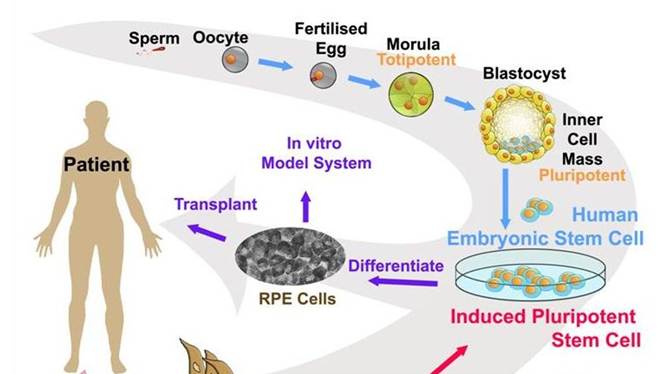
Figure 3. Induced pluripotent stem cells
Source: Lin et al. (2019)
Nevertheless, the clinical translation of iPSCs faces significant challenges. The reprogramming process can introduce genetic and epigenetic abnormalities, which may compromise the safety and functionality of iPSC-derived cells (Doss & Sachinidis, 2019). There is also a risk of tumor formation due to residual undifferentiated cells or the activation of oncogenic pathways during reprogramming (Shi et al., 2017). To address these concerns, researchers are developing non-integrative and chemical reprogramming methods, refining differentiation protocols, and implementing rigorous quality control measures to ensure the safety of iPSC-based products. As these hurdles are overcome, iPSCs are poised to become a central pillar of future regenerative and personalized medicine, offering hope for treating a wide array of currently incurable diseases.
Mechanisms of Regeneration of Stem Cell
Stem cell therapy’s regenerative potential hinges on a complex interplay of biological processes that include cellular differentiation, paracrine signaling, and direct tissue repair. Differentiation remains the most direct and visible mechanism by which stem cells contribute to regeneration. Embryonic stem cells (ESCs) and induced pluripotent stem cells (iPSCs) are characterized by their pluripotency, allowing them to generate a wide array of specialized cell types. This capacity has been harnessed in experimental models to replace damaged neurons in neurodegenerative diseases and regenerate cardiomyocytes following myocardial infarction. Akita (2019) describes how stem cells, when introduced into injured tissues, can integrate and differentiate into functional cells that restore physiological activity. Mesenchymal stem cells (MSCs), although limited to mesodermal lineages, have demonstrated significant utility in orthopedic and musculoskeletal applications, particularly in bone and cartilage repair. Their ability to differentiate into osteoblasts and chondrocytes has made them indispensable in tissue engineering approaches, where they are seeded into scaffolds to reconstruct damaged structures (Alvites et al., 2022).
However, differentiation alone does not account for the full spectrum of regenerative effects observed in stem cell therapy. Increasingly, attention has turned to paracrine signaling as a critical mediator of tissue repair. Stem cells, particularly MSCs, secrete a diverse array of bioactive molecules of cytokines, growth factors, and extracellular vesicles that influence the behavior of surrounding cells. These secretions do not merely support regeneration; they actively orchestrate it by modulating inflammation, promoting angiogenesis, and stimulating endogenous repair mechanisms. Seo, et al. (2021) emphasize that MSCs exert their therapeutic effects largely through their secretome, which can be enhanced through preconditioning or genetic modification to increase potency. The paracrine model shifts the therapeutic paradigm from cell replacement to environmental modulation, suggesting that stem cells act as biological conductors rather than mere building blocks (Figure 1).
Extracellular vesicles (EVs), including exosomes, have emerged as potent vehicles of paracrine signaling. These nano-sized particles carry proteins, lipids, and nucleic acids that can reprogram recipient cells and influence immune responses. EVs derived from stem cells have been shown to accelerate wound healing, reduce fibrosis, and promote neurogenesis, offering a cell-free alternative to traditional transplantation. Their stability and low immunogenicity make them attractive candidates for off-the-shelf therapies, potentially overcoming logistical and safety challenges associated with live cell administration (Seo et al., 2021).
The culmination of differentiation and paracrine signaling is tissue repair a multifaceted process involving cellular proliferation, matrix remodeling, and functional recovery. Stem cells contribute to this process both directly, by integrating into damaged tissues, and indirectly, by creating a regenerative microenvironment (Figure 1). Akita (2019) outlines how stem cells accelerate wound closure, reduce scar formation, and restore tissue architecture in cutaneous injuries. In musculoskeletal contexts, MSCs enhance cartilage regeneration and bone healing through both differentiation and paracrine support. Cardiovascular applications have demonstrated improved perfusion and reduced infarct size following stem cell therapy, while neurological models show enhanced synaptic plasticity and remyelination. These outcomes underscore the versatility of stem cells in addressing diverse pathological conditions.
Understanding the mechanisms of regeneration is not merely an academic exercise; it is a prerequisite for clinical translation. Mechanistic insights inform the design of safer and more effective therapies, guide regulatory frameworks, and foster public trust. They enable the development of personalized interventions tailored to specific disease contexts and patient profiles. Moreover, they open the door to innovative strategies such as cell-free therapies, where the therapeutic payload is delivered via EVs rather than whole cells. Alvites et al. (2022) argue that such approaches may reduce risks while retaining regenerative efficacy, marking a significant evolution in the field.
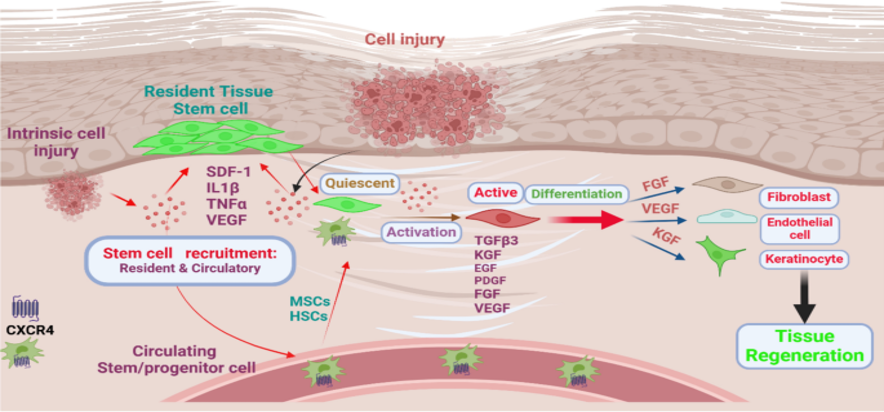
Figure 1. Stem cell differentiation and tissue regeneration pathway
Source: Alvites et al. (2022)
The diagram provided illustrates the dynamic relationship between stem cell differentiation, paracrine signaling, and tissue repair. Stem cells differentiate into specialized cell types that integrate into damaged tissues, while simultaneously releasing signaling molecules that modulate the repair environment. This dual action exemplifies the regenerative power of stem cells and highlights the importance of understanding their biological behavior.
Clinical Applications of Stem Cell Therapy
Stem cell therapy has transitioned from experimental research to clinical reality in several medical domains. Its capacity to regenerate damaged tissues, modulate immune responses, and restore function has made it a compelling option for conditions that are otherwise refractory to conventional treatments (Yussuf et al., 2023). Among the most actively explored areas are cardiovascular, neural, musculoskeletal, and ocular systems, each presenting unique challenges and opportunities for stem cell-based interventions.
In cardiovascular medicine, stem cell therapy has been extensively studied for myocardial infarction, heart failure, and ischemic cardiomyopathy. Mesenchymal stem cells (MSCs) and cardiac progenitor cells have demonstrated the ability to promote angiogenesis, reduce fibrosis, and improve cardiac function. According to research by Madonna et al. (2023), MSCs injected into infarcted myocardium release paracrine factors that stimulate endogenous repair mechanisms and enhance left ventricular ejection fraction. Similarly, ESC-derived cardiomyocytes have been used to repopulate damaged heart tissue, although concerns about arrhythmogenicity and immune rejection persist. Clinical trials such as the POSEIDON study have shown that both autologous and allogeneic MSCs can be safely administered with modest improvements in cardiac performance (Madonna et al., 2023).
Neural applications of stem cell therapy are among the most ambitious, given the complexity and limited regenerative capacity of the central nervous system. Stem cells have been investigated for spinal cord injury, Parkinson’s disease, stroke, and multiple sclerosis. Neural stem cells (NSCs), iPSCs, and MSCs have shown potential to differentiate into neurons and glial cells, promote neurogenesis, and modulate neuroinflammation. A study by Li et al. (2022) demonstrated that iPSC-derived dopaminergic neurons improved motor function in Parkinsonian models, while MSCs reduced neuroinflammation and supported remyelination in multiple sclerosis. In spinal cord injury, transplantation of NSCs has led to partial restoration of motor function and improved sensory outcomes. The SCiStar trial, which used oligodendrocyte progenitor cells derived from ESCs, reported improved upper limb function in patients with cervical spinal cord injury (Li et al., 2022).
Musculoskeletal disorders represent one of the most mature areas of stem cell therapy, with numerous clinical trials targeting osteoarthritis, bone fractures, and tendon injuries. MSCs are particularly suited for these applications due to their ability to differentiate into osteoblasts, chondrocytes, and tenocytes. According to research by Wang et al. (2023), intra-articular injection of MSCs in osteoarthritic knees resulted in reduced pain, improved joint function, and increased cartilage thickness. Bone marrow-derived MSCs have also been used to accelerate fracture healing and enhance spinal fusion outcomes. In tendon repair, stem cells have been combined with scaffolds to improve biomechanical strength and reduce re-injury rates. These interventions are increasingly being integrated into orthopedic practice, although long-term efficacy and standardization remain areas of active investigation (Wang et al., 2023).
Ocular applications of stem cell therapy have gained momentum, particularly in the treatment of retinal degenerative diseases such as age-related macular degeneration (AMD), retinitis pigmentosa, and corneal injuries. Retinal pigment epithelial (RPE) cells derived from ESCs or iPSCs have been transplanted into patients with AMD, showing potential to restore visual function. A landmark study by da Cruz et al. (2018) reported that patients receiving RPE patches derived from ESCs experienced stabilization or improvement in visual acuity. Similarly, limbal stem cells have been used to treat corneal epithelial defects, with successful restoration of transparency and reduction in neovascularization. These therapies offer hope for conditions that currently lead to irreversible blindness, although challenges such as immune compatibility and tumorigenicity must be carefully managed (da Cruz et al., 2018).
The diversity of stem cell types and delivery methods across these applications underscores the need for tailored approaches. Autologous cells offer immunological advantages but may be limited by patient age and disease status. Allogeneic cells provide scalability but require immunosuppression. Delivery methods range from direct injection to scaffold-based implantation, each with specific advantages depending on the target tissue. Moreover, the timing of intervention whether acute or chronic can significantly influence outcomes.
These tactics are still being improved via clinical trials, with a growing focus on consistency, safety, and efficacy (table 1). Regulatory bodies have started to create frameworks for stem cell treatments, striking a balance between patient safety and innovation. In addition to scientific advancements, ethical, practical, and financial factors will also play a role in the mainstreaming of stem cell therapy.
Table 1.Clinical trials summary of stem cell therapy applications
Cell Type | Disease Treated | Reported Outcome |
MSC | Osteoarthritis | Improved joint function |
iPSC | Macular degeneration | Partial vision restoration |
ESC | Spinal cord injury | Enhanced motor recovery |
MSC | Myocardial infarction | Increased cardiac output |
Source: da Cruz et al. (2018)
Challenges Experienced in Stem Cell Therapy
Despite the remarkable promise of stem cell therapy, its translation into widespread clinical practice is hindered by several critical challenges. These include ethical concerns, the risk of tumorigenicity, and issues related to immune rejection.
Ethical Concerns
The use of embryonic stem cells (ESCs) continues to raise profound ethical debates. ESCs are derived from the inner cell mass of blastocysts, a process that involves the destruction of early-stage embryos. For many, this raises moral questions about the sanctity of human life and the boundaries of scientific intervention. Ethical concerns have led to restrictions in funding and research in several countries, limiting the pace of discovery and clinical translation. As Qiao, Wang et al. (2023) note, the ethical discourse surrounding stem cell therapy is not merely philosophical but has tangible implications for policy, regulation, and public acceptance.
Induced pluripotent stem cells (iPSCs) were developed partly to circumvent these ethical issues, as they are generated by reprogramming adult somatic cells. However, even iPSCs are not entirely free from ethical scrutiny, particularly when used in reproductive or germline applications. The debate extends to questions of consent, commercialization, and equitable access. Without clear ethical guidelines, stem cell therapy risks exacerbating social inequalities and undermining public trust in biomedical innovation.
Tumorigenicity
Another major challenge is the risk of tumorigenicity, or the potential of stem cells to form tumors after transplantation. Pluripotent stem cells, including ESCs and iPSCs, have an inherent risk of forming teratomas due to their ability to differentiate into multiple cell types. Wang (2023) emphasizes that assessing tumorigenicity is a critical step in safeguarding regenerative medicine, as uncontrolled proliferation can lead to devastating outcomes.
Strategies to mitigate tumorigenicity include pre-differentiating stem cells into specific lineages before transplantation, genetic modification to enhance safety, and rigorous quality control during cell culture. Lin et al. (2024) highlight that reprogramming somatic cells into iPSCs can introduce genetic and epigenetic abnormalities, further increasing tumorigenic risk. Advances in genome editing and improved reprogramming techniques may reduce these risks, but the challenge remains a significant barrier to clinical adoption.
Tumorigenicity is not only a biological issue but also a regulatory one. Agencies such as the FDA and EMA require extensive preclinical testing to demonstrate safety, which can delay clinical translation. The balance between innovation and patient safety is delicate, and the specter of tumorigenicity necessitates cautious progress.
Immune Rejection
Immune rejection represents another formidable obstacle. Allogeneic stem cell therapies, derived from donors, are subject to host immune responses that can lead to rejection or graft-versus-host disease. Even autologous therapies, derived from the patient’s own cells, are not immune to complications, as reprogramming and culture processes can alter immunogenicity.
Immune rejection is particularly problematic in ESC-based therapies, as these cells are not patient-specific. Strategies to overcome this include the use of immunosuppressive drugs, genetic engineering to create hypoimmunogenic cells, and the development of universal donor cell lines. Wang (2023) notes that precision approaches in oncology and regenerative medicine increasingly rely on tailoring therapies to minimize immune incompatibility.
Future Directions
Stem cell therapy is poised to enter a new era of innovation, driven by advances in genetic engineering, biofabrication, and personalized medicine. Among the most transformative tools is CRISPR-Cas9 gene editing, which allows precise modification of stem cell genomes (fig 2). By correcting disease-causing mutations, CRISPR can generate patient-specific stem cells free of genetic defects, thereby enhancing safety and efficacy. For example, Li et al. (2023) highlights the potential of CRISPR-edited iPSCs in treating monogenic disorders such as sickle cell disease and Duchenne muscular dystrophy. Beyond correction, CRISPR can also be used to engineer hypoimmunogenic stem cells, reducing the risk of immune rejection and expanding the feasibility of allogeneic therapies.
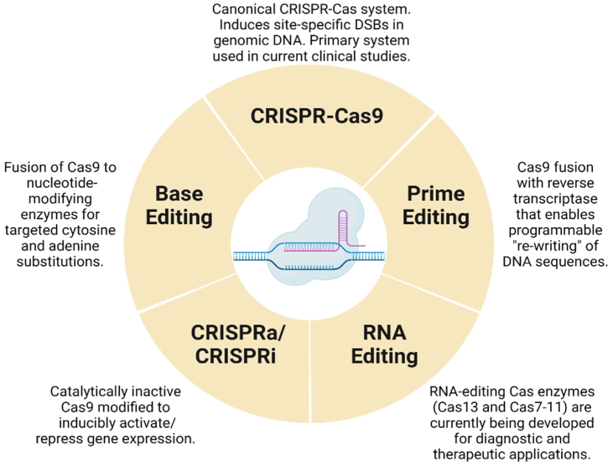
Figure 2.CRISPR technology in stem cell therapy
Source: Innovative Genomics Institute. (2017)
Another frontier is 3D bioprinting, which integrates stem cells with biomaterials to fabricate complex tissue constructs. This technology enables the creation of organoids and tissue scaffolds that mimic native architecture, offering solutions for organ shortages and advancing regenerative medicine. According to Zhang et al. (2022), bioprinted tissues seeded with stem cells have demonstrated functional integration in preclinical models of cartilage and vascular repair. The convergence of stem cell biology with bioprinting holds promise for producing patient-specific grafts, reducing reliance on donors, and accelerating translational applications.
Personalized therapy represents the culmination of these advances. By leveraging iPSCs derived from individual patients, therapies can be tailored to genetic backgrounds, disease phenotypes, and immune profiles (Eze et al., 2023). Personalized stem cell therapy not only enhances efficacy but also minimizes adverse effects, aligning with the broader trend toward precision medicine. As Chen et al. (2023) argue, integrating genomic data, biomarker profiling, and stem cell technologies will enable highly individualized interventions for conditions ranging from neurodegenerative diseases to cardiovascular disorders.
From a theoretical concept, stem cell treatment has developed into a quickly developing clinical field. Starting with the description and categorisation of stem cells ESCs, iPSCs, and MSCs each of which has distinct benefits and drawbacks, the manuscript has traced their origins. The molecular complexity that makes stem cells effective therapeutic agents is highlighted by the mechanisms of regeneration, which include differentiation, paracrine signalling, and tissue repair. Clinical applications in the cardiovascular, neurological, musculoskeletal, and ocular systems show noticeable advancements; studies have reported better patient outcomes and functional recovery.
But there are still issues. The difficulty of converting stem cell knowledge into safe practice is highlighted by ethical issues with ESCs, the tumorigenic hazards associated with pluripotent cells, and immunological rejection in allogeneic therapy. In addition to scientific innovation, addressing these problems calls for ethical consideration and regulatory watchfulness.
Future approaches like 3D bioprinting, CRISPR gene editing, and customised treatment promise to get beyond present obstacles and broaden therapeutic options. A new age in regenerative medicine will be ushered in by these developments, which will allow for precise genetic correction, scalable tissue engineering, and customised therapies.
Acknowledgement
We thank all the researchers who contributed to the success of this research work.
Conflict of Interest
The authors declared that there are no conflicts of interest.
Funding
No funding was received for this research work.