RESEARCH ARTICLE | DOI: https://doi.org/dx.doi.org/JARBB/PP.0011
1Department of Biochemistry, Facultyof Biosciences, FederalUniversity Wukari, TarabaState, Nigeria
2ResearchHub Nexus Institute, Nigeria.
3Department of Chemical Engineering, Roy G. Perry College of Engineering, PrairieView A&M University.
4Department of Biochemistry, Facultyof Science, University of Port Harcourt, P.M.B.5323, Choba, Port Harcourt, RiversState, Nigeria.
5Department of Chemical Sciences, Faculty of Science, Anchor University, Ayobo, Lagos State, Nigeria.
*Corresponding Author: Moses Adondua Abah
Citation: Moses Adondua Abah , Victoria Chibuihe Nnamdi, Nkwocha John Nnaemeka, Micheal Oladosu Abimbola and Nathan Rimamsanati Yohanna, (2026), Kinetic Modelling of Biochemical Reactions: From Enzyme Kinetics to Metabolic Pathways, J. Advanced Research in Biochemistry and Biotechnology2(4): dx.doi.org/JARBB/PP.0011
Copyright  :
© 2026 Moses Adondua Abah. This is an open-access article distributed under the terms of the Creative Commons Attribution License, which permits unrestricted use, distribution, and reproduction in any medium, provided the original auth or and source are credited.
:
© 2026 Moses Adondua Abah. This is an open-access article distributed under the terms of the Creative Commons Attribution License, which permits unrestricted use, distribution, and reproduction in any medium, provided the original auth or and source are credited.
Received: 09 June 2026 | Accepted: 15 July 2026 | Published: 21 August 2026
Keywords: enzyme kinetics; metabolic pathway modelling; michaelis–menten kinetics; enzyme inhibition; metabolic flux analysis.
Kinetic modeling plays a fundamentalrole in biochemistry by providing quantitative frameworks to understand the dynamic behavior of biological systems. The importance of kinetic modeling in biochemistry lies in its ability to predict how enzymes and metabolic pathways respond to changes in substrate concentrations, inhibitors, and environmental conditions. Role in understanding enzymebehavior and metabolicregulation is central,as kinetic modelshelp elucidate mechanisms of enzyme catalysis, allosteric regulation, and flux control in metabolic networks. Overview of kineticmodels and methodologies includes classical Michaelis-Menten kinetics, steady-state approximations, dynamic modeling using ordinary differential equations, and more complex approaches such as genome-scale metabolic models. Applications in biotechnology, medicine, and systems biology are extensive, rangingfrom optimization of industrial enzyme processes and drug targetidentification to personalized medicine and synthetic biology. Future prospects involve integration of multi-omics data, machine learning-enhanced parameter estimation, and development of whole-cell kinetic models for predictive biology. This review explores currentknowledge on kineticmodeling approaches and highlights their transformative potentialin advancing biochemical understanding and applications.
Enzyme kinetics is a century-old area of biochemical research which is regaining popularity due to its use in systems biology (Mendes, 2009). Enzyme kinetics is the studyof the rates of enzyme-catalysed chemical reactions. In enzyme kinetics, the reaction rate is measured and the effects of varying the conditions of the reaction are investigated.Studying an enzyme'skinetics in this way can reveal the catalytic reactionmechanism of this enzyme, its rolein metabolism, how its activityis controlled, and how a drug or a modifiermight affect the rate (Mendes,2009).
The origins of enzyme kineticstrace back to the early 20th century with the pioneering work of Michaelisand Menten (Cornish-Bowden, 2013). In 1913, Michaelis and Menten expanded on Victor Henri's fundamental equation of enzyme kinetics, which was zestablished in 1902. Michaelis and Menten are by far the best known of the scientists who created the subject of enzyme kinetics (Cornish-Bowden, 2013). Sincethe publication of Leonor Michaelis and Maude Menten's paper on the reaction kinetics of the enzyme invertase in 1913, molecular biology has evolvedtremendously (Tummler et al.,2014). Nevertheless, Michaelis-Menten kinetics are still commonly used, not only in the in vitro context of enzyme characterization but also as a rate law for enzymatic reactions in larger biochemical reaction networks (Tummler., 2014).
The importance of quantitative modeling in biology has grown significantly with advances in systems biology (Kuate., 2023). Kinetic models can help testing hypotheses, designing and assisting experimendiscriminating between possible regulatory mechanisms, identifying drug targets (Kuate et al., 2023). Distinct modelingapproaches can be implemented. Here, we focus ondynamic modeling using ordinary differential equations (ODEs) based on kinetic rate laws (Kuate et al., 2023). New types of experimental data shape the use of enzyme kinetics for dynamic network modeling (Tummler et al., 2014).
The aim of this review is to provide a comprehensive overview of kinetic modeling in biochemistry, from foundational concepts and historical development to modern applications in metabolic networks, biotechnology, and medicine, while highlighting current methodologies and future directions.
Fundamentalsof Enzyme Kinetics
Basic Principles of Enzyme-Catalyzed Reactions
Enzymes are biological catalysts that accelerate chemical reactions without being consumed in the process(Johnson, 2013). The basic mechanism of enzyme catalysis involves the reversible formation of an enzyme-substrate complex followed by the conversion of the substrate to product (Johnson, 2013). The simplestmechanism for an enzyme-catalyzed reaction can be written as E + S ⇌ ES → E + P (Cornish-Bowden, 2013).In this scheme,E represents the enzyme, S the substrate, ES the enzyme-substrate complex, and P the product (Various enzyme kinetics reviews). The reaction velocity is defined as the rate of product formation or substrate disappearance (Segel, 1993).
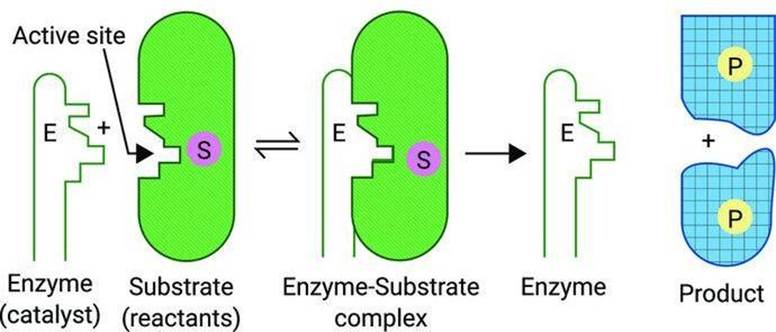
Figure 1 General mechanism of enzyme-catalyzed reactions
Source: Segel (1993)
The catalytic cycle involves repeated binding of substrate, formation of the transition state, product release, and regeneration of the free enzyme. This cyclic process enables enzymes to achieve high reaction rates while maintaining specificity and regulation of metabolic pathways.
Michaelis–Menten KineticModel
The Michaelis-Menten model assumes that the enzyme-substrate complex is in rapid equilibrium with free enzyme and substrate (Mendes, 2009). The Michaelis constant Km is the substrate concentration at which the reaction velocityis half of Vmax (Tummleret al., 2014). Vmax represents the maximum velocity achieved when the enzyme is fully saturated with substrate (Kuateet al., 2023). At high substrate concentrations, the reaction rate approaches a maximum value because the enzyme becomes saturated (Cornish-Bowden, 2013).
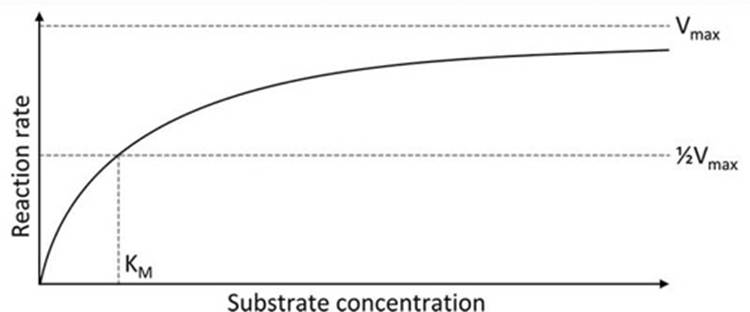
Figure 2. Michaelis–Menten kinetic curve
Cornish-Bowden (2013);Kuate et al. (2023)
Fig 2 depicts the hyperbolic shape of the Michaelis-Menten curve reflectsenzyme affinity for its substrate. Km indicates the substrate concentration required for half-maximal velocity, serving as a measure of enzyme-substrate affinity, while Vmax reflects the enzyme’s catalytic capacity under saturating conditions.
Lineweaver–Burk Transformation
The Lineweaver-Burk plot is a double-reciprocal transformation of the Michaelis-Menten equation (Johnson, 2013). It linearizes the hyperbolic Michaelis-Menten curve by plotting 1/V against 1/[S] (Segel, 1993). In the Lineweaver-Burk plot, the y-intercept equals 1/Vmax and the x-intercept equals -1/Km (Tummleret al., 2014). The slope of the line is equal to Km/Vmax (Tummler et al., 2014).
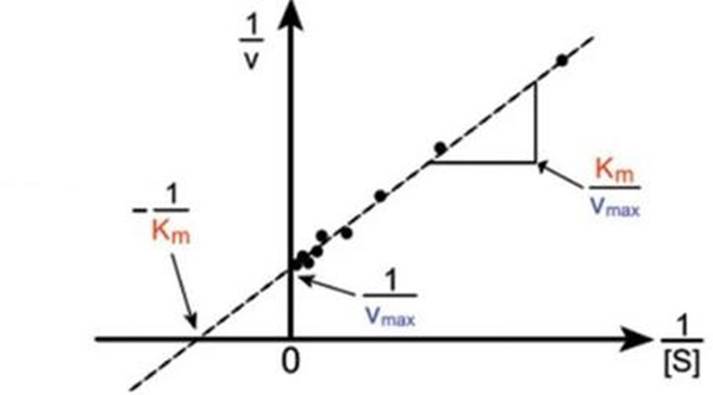
Figure 3. Lineweaver–Burk Plot for EnzymeKinetics
Source: Tummler et al. (2014)
Fig 3 depicts that the Lineweaver-Burk plot facilitates the determination of kinetic parameters through linear regression. While historically useful, it has limitations including error amplification at low substrate concentrations and poor statistical properties for parameter estimation.
Table 1. Key parameters in enzyme kinetics
| Parameter | Meaning | Biological Significance |
| Km | Michaelis constant | Substrate affinity |
| Vmax | Maximum velocity | Catalytic capacity |
| kcat | Turnover number | Catalytic efficiency |
| kcat/Km | Specificity constant | Overall efficiency |
Source: Tummler et al. (2014)
Enzyme Inhibition and Regulatory Kinetics
Competitive Inhibition
Enzyme inhibition is a fundamental regulatory mechanism that controls metabolic pathways and enzyme activity in biological systems.Competitive inhibition occurswhen an inhibitor competes directly with the substrate for binding to the enzyme (Copeland, 2013). A competitive inhibitor binds only to the free enzyme, and the binding of a competitive inhibitor and the binding of substrate are mutually exclusive events (Copeland, 2013). In competitive inhibition, the inhibitor frequently occupies the active site of the enzyme, therebypreventing substrate binding and reducing the formation of the enzyme-substrate complex (Copeland, 2013). Competitive inhibition represents one of the most extensively studied mechanisms of enzyme regulation and forms the basis of many therapeutic drugs designed to modulate enzyme activity (Seibert &Tracy, 2021). The effect of competitive inhibition depends on both substrate and inhibitor concentrations becauseincreasing substrate concentration can overcome inhibitor binding and restore enzyme activity (Copeland, 2013). Consequently, competitive inhibitors are often described as reversible inhibitors whose effects diminish as substrate concentration increases. This characteristic has important physiological and pharmacological implications because substrate accumulation can influence inhibitorpotency and efficacy within biological systems (Copeland, 2013; Seibert & Tracy, 2021). Competitive inhibition is particularly significant in drug discovery and medicinal chemistry, where many enzyme-targeting drugs function by competing with endogenous substrates at catalytic sites (Pesaresi, 2023). The quantitative analysis of competitive inhibition provides valuable information regarding enzyme function, substrate affinity, and inhibitor potency, allowing researchers to characterize enzyme-inhibitor interactions and develop effective therapeutic agents (Pesaresi, 2023). Furthermore, competitive inhibition serves as a classic example of reversible enzyme regulation and remains a central topic in biochemical kinetics and systems biology (Seibert & Tracy, 2021).
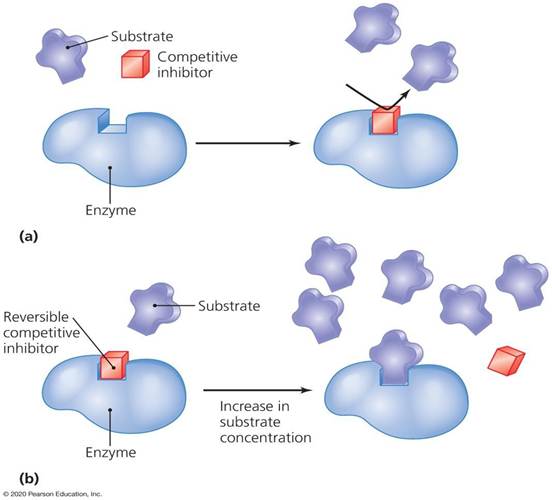
Figure 4. Mechanism of competitive enzyme inhibition
Seibert & Tracy(2021)
Competitive inhibition alters the apparent affinity of the enzyme for its substrate. A competitive inhibitorincreases the apparent Km value while producing no change in the apparent Vmax value because sufficiently high substrate concentrations can outcompete the inhibitor for enzyme binding (Copeland, 2013). As a result, more substrate is required to achieve half-maximal reaction velocity, whereas the maximum catalytic capacity of the enzyme remains unchanged. This kinetic behavior distinguishes competitive inhibition from other forms of reversible inhibition and provides a usefulframework for identifying inhibitor mechanisms experimentally (Copeland, 2013).
Noncompetitive and Uncompetitive Inhibition
In contrast to competitive inhibition, noncompetitive and uncompetitive inhibition involve alternative mechanisms of inhibitor binding that do not rely on direct competition with the substrate for the active site (Copeland, 2013). Noncompetitive inhibitors bind at a site distinct from the substrate-binding region and can interactwith both the free enzyme and the enzyme-substrate complex (Copeland, 2013). The binding of the inhibitorinduces conformational or functional changes that reduce catalytic activitywithout directly preventing substrate binding (Khan Academy/StatPearls reviews; Sharma & Sharma, 2022). Because inhibitor binding occurs independently of substrate occupancy, increasing substrate concentration cannot reverse the inhibitory effect. Noncompetitive inhibition therefore reduces enzyme activity even when substrate concentrations are high. This mechanism plays an important role in metabolic regulation, signal transduction, and pharmacological intervention because it enables regulation of enzyme activity through allosteric interactions (Pesaresi, 2023).
Uncompetitive inhibition differs from both competitive and noncompetitive inhibition because the inhibitor binds exclusively to the enzyme-substrate complex (Copeland, 2013). The formation of an inactive enzyme-substrate-inhibitor complex prevents product formation and effectively removes catalytically active enzyme-substrate complexes from the reaction pathway (Copeland, 2013). Since inhibitor binding requires prior substrate binding, the inhibitory effect becomes more pronounced as substrate concentration increases. Uncompetitive inhibition is relatively uncommon compared with competitive inhibition but can have profound effects on metabolic systems and biochemical networks (Copeland, 2013). Both Km and Vmax decrease in the presence of an uncompetitive inhibitor becausethe inhibitor stabilizes the enzyme-substrate complex while simultaneously reducing catalytic turnover (Copeland, 2013; StatPearls, 2022).The ability of uncompetitive inhibitors to become more effective at higher substrate concentrations has attracted interest in therapeutic applications involving highly active metabolic pathways (Copeland, 2013).
Many physiological regulators and pharmaceutical compounds exert their effects through allosteric mechanisms that alter enzyme conformation, substrate affinity, or catalytic efficiency. Understanding these inhibitory processes contributes to the development of selective drugs, the interpretation of metabolic control mechanisms, and the construction of accurate kinetic models for systems biologyand network analysis(Seibert & Tracy, 2021; Pesaresi, 2023).
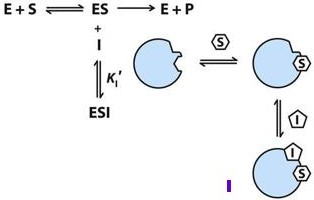
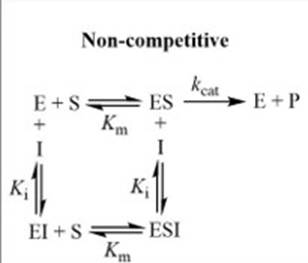
Figure 5. Mechanisms of noncompetitive and uncompetitive Inhibition
Sources: Seibert &Tracy (2021); Pesaresi(2023)
Noncompetitive inhibition (Fig 5a) decreasesVmax while leaving Km unchanged because inhibitor binding reduces catalytic activity without affecting substrate affinity. In contrast, uncompetitive inhibition (fig 5b) decreases both Vmax and Km because the inhibitor binds specifically to the enzyme-substrate complex,reducing catalytic turnover while increasing apparent substrate affinity.
Table 2. Comparison of major types of enzyme inhibition
| Inhibition Type | Km Effect | Vmax Effect | Mechanism |
| Competitive | Increases | No change | Inhibitor competes with substrate for free enzyme |
| Noncompetitive | No change | Decreases | Inhibitor binds enzyme and enzyme-substrate complex equally |
| Uncompetitive | Decreases | Decreases | Inhibitor binds onlyto enzyme-substrate complex |
| Mixed | Increases or decreases | Decreases | Inhibitor binds enzyme and enzyme-substrate complex with different affinities |
Sources: Seibert s Tracy,(2021); Pesaresi, (2023)
Kinetic Modelling of Metabolic Pathways
From Single Reactions to Metabolic Networks
Metabolic pathways are composed of interconnected enzyme-catalyzed reactions that collectively determine cellular functionand physiological responses(Yugi et al., 2016). The complexity of cellular metabolism arises from the interactions among numerous enzymes, metabolites, cofactors, and regulatory molecules operating simultaneously within highly organized biochemical networks (Yugi et al., 2016). Kinetic modelling extends traditional enzyme kinetics beyondindividual reactions by incorporating multiple enzymatic processesinto integrated mathematical representations of metabolic pathways (Saa & Nielsen, 2017). These models provide a mechanistic description of metabolic behavior by relating enzyme activities and metabolite concentrations to reaction rates throughout an entire network (Saa & Nielsen, 2017). The construction of pathway-level kinetic models enables quantitative investigation of dynamic metabolic responses, prediction of pathwaybehavior under differentconditions, and identification of key regulatory steps controlling cellular metabolism (Saa & Nielsen,2017; Stanford et al., 2023). Advances in systems biology have significantly increased interest in kinetic modelling because biological function emerges from coordinated interactions among numerous molecular components rather than isolated biochemical reactions (Yugi et al., 2016).
Metabolic networks contain sequential reactions linked through shared intermediates, creating pathways that
facilitate the conversion of nutrients into energy, biomass, and signaling molecules (Stanford et al., 2023). Kinetic models can describe how perturbations in one part of a pathway influence downstream reactions and overall network behavior (Saa & Nielsen,2017). Such modelsare particularly useful for understanding pathway robustness, metabolic adaptation, and the effects of genetic modifications on cellular physiology (Yugi et al., 2016). The integration of experimental measurements with mathematical descriptions has enabled researchers to study metabolism at increasingly larger scales, ranging from small pathways to genome-scale metabolic networks (Stanford et al., 2023).
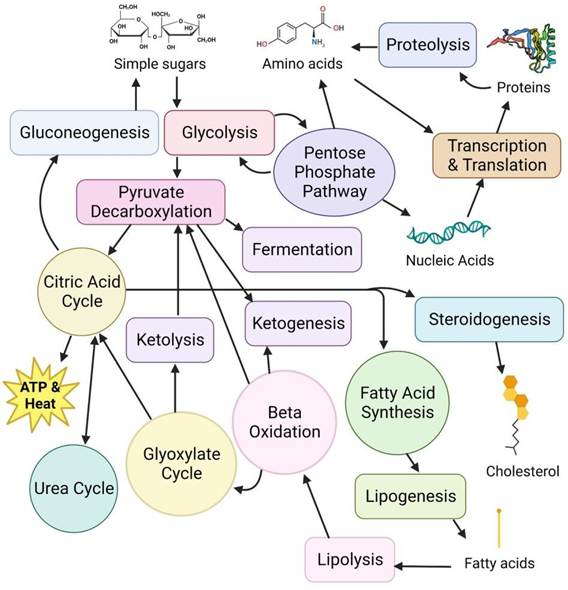
Figure 6.Integration of Major MetabolicPathways Through Sequential Enzyme-Catalyzed Reactions
Sources: Saa & Nielsen, (2017); Yugi et al. (2016)
As shown in the figure 6Metabolic pathways are interconnected through shared intermediates and coordinated enzyme activities. Carbohydrate, lipid, protein, and nucleic acid metabolism converge through central pathways such as glycolysis, the pentose phosphate pathway, the citric acid cycle, and β-oxidation, enabling efficient regulation of energy production, biosynthesis, and cellular homeostasis.Metabolic flux refersto the rate at whichmetabolites pass through biochemical pathways and represents a central concept in pathway-level kineticanalysis (Antoniewicz, 2021). The regulation of flux is controlled by enzyme abundance, catalytic efficiency, substrate availability, thermodynamic constraints, and regulatory interactions (Antoniewicz, 2021). Kinetic models provide quantitative tools for evaluating these factors and predicting how changes in pathway components affect metabolic outcomes (Stanford et al.,2023). Consequently, pathway-level modelling has become an important component of biotechnology, metabolic engineering, systems biology, and precision medicine (Stanford et al., 2023).
Feedback Regulation in Metabolic Pathways
The maintenance of metabolic homeostasis requires sophisticated regulatory mechanisms that coordinate biochemical reactions and ensure balanced cellular function (Yugi et al., 2016). Feedback regulation represents one of the most important mechanisms controlling metabolic pathways because it allows pathway products to influence upstream enzymatic reactions (Stanford et al., 2023). Feedback inhibition occurs when the final product of a pathway inhibits the activity of an enzyme located earlier in the pathway, thereby reducing further product formation and preventing excessive metabolite accumulation (Albe et al., 2020).
Feedback regulation is a widespread feature of biological systems and contributes significantly to pathwaystability, robustness, and adaptability (Albe et al., 2020). The incorporationof feedback mechanisms into kinetic models enhances their predictive capabilities because regulatory interactionsstrongly influence pathwaydynamics (Yugi et al., 2016). Mathematical descriptions of feedback regulation allow researchers to investigate oscillatory behavior, steady-state regulation, metabolicswitching, and adaptive responses to environmental perturbations (Stanford et al., 2023). Understanding these regulatory processes is essential for deciphering cellular control mechanisms and identifying potential therapeutic targets in metabolic diseases (Stanford et al., 2023).
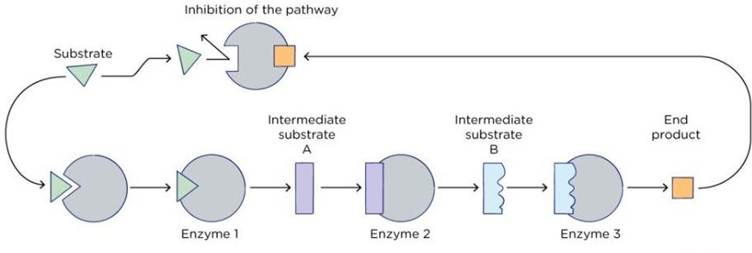
Figure 7. Feedback inhibition mechanism in metabolic pathways
Sources: Albe et al. (2020); Stanfordet al. (2023)
Feedback inhibition enables cells to regulate metabolic flux by linking pathway output to enzyme activity. Increasing concentrations of end products generate inhibitory signals that reduce the activity of rate-limiting enzymes, thereby decreasing pathway throughput and restoring metabolic balance. This mechanism contributes to metabolic homeostasis and efficient resourceutilization figure 7 (Albe et al., 2020; Stanford et al., 2023). Kinetic models incorporating feedback regulation have become valuable tools for studying biological control systems because they allow quantitative assessment of regulatory interactions and pathway responses under varying conditions (Yugi et al., 2016). Such models facilitate the identification of critical control points and improve understanding of how metabolic networks maintain stability despite internal and external perturbations (Albe et al., 2020).
Metabolic Flux Analysis
Metabolic flux analysis has emerged as one of the most important quantitative approaches for investigating cellular metabolism (Antoniewicz, 2021). While metabolite concentrations provide information regarding pathway composition, metabolic fluxes reveal the rates at which biochemical transformations occur within living systems (Antoniewicz, 2021). Flux analysis integrates experimental measurements with mathematical models to estimate intracellular reaction rates and characterize pathway activity (McCloskey et al., 2021). Stable isotope tracing techniques have significantly expanded the capabilities of metabolic flux analysis by enabling quantitative tracking of carbon flow through metabolic pathways (Antoniewicz, 2021). Combined with kinetic modelling, these approaches allow researchers to determine pathway utilization, identify metabolic bottlenecks, and evaluate cellular responses to genetic or environmental changes (McCloskey et al., 2021). Flux analysis is widelyapplied in biotechnology, metabolic engineering,diseaseresearch,andpharmaceutical development because it provides detailedinformationregarding network performance and cellular resourceallocation (Antoniewicz, 2021).
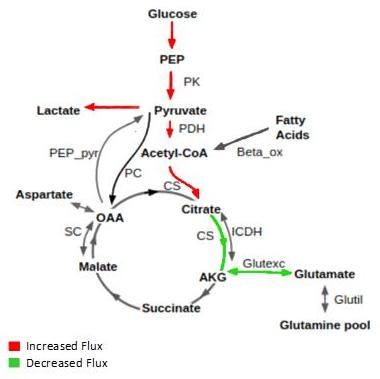
Figure 8.Metabolic flux distribution in a cellularpathway
Source: McCloskey et al.(2021)
Metabolic flux distribution describes the allocation of metabolic activity among interconnected biochemical pathways. Branch points represent important regulatory nodes where metabolites may be directed toward alternative cellular functions. Quantifying flux distributions enables assessment of pathway efficiency, metabolic regulation, and adaptive responses to physiological perturbations fig 8 (McCloskey et al., 2021). The interpretation of metabolic flux distributions provides valuable insights into cellular regulation because changes in flux often precede measurable changes in metabolite concentrations (Antoniewicz, 2021).
Table 3. common metabolic pathwaysstudied using kineticmodels
| Pathway | Major Function | Application |
| Glycolysis | Energy production | Disease modeling |
| TCA Cycle | ATP generation | Metabolic engineering |
| Pentose Phosphate Pathway | NADPH production | Biotechnology |
| Amino Acid Metabolism | Biosynthesis | Systems biology |
Sources: Antoniewicz (2021); McCloskey et al.(2021)
Mathematical and Computational Approaches to Kinetic Modelling
Ordinary Differential Equation (ODE)-Based Models
Ordinary differential equations (ODEs) form the mathematical foundation of most kinetic models used in systems biology and biochemical network analysis (Jia et al., 2012). ODE-based models describe temporal changes in metabolite concentrations as functions of reaction rates, kinetic parameters, and regulatory interactions (Jia et al., 2012). Thesemodels provide a quantitative framework for simulating dynamic biological processes and predicting system behavior undervarying conditions (Stanford et al., 2023). The use of ODEs enables researchers to integrate experimental observations with mechanistic descriptions of biochemical reactions, thereby facilitating hypothesis testing and model-based prediction (Jia et al., 2012).
The development of ODE-based models typically begins with the formulation of rate equations describing individual biochemical reactions (Jia et al., 2012). Experimental data are subsequently used to estimate kinetic parameters and validate model predictions (Stanford et al., 2023). Once validated, ODE models can be employed to investigate pathway dynamics, simulate perturbations, and evaluate potential intervention strategies.
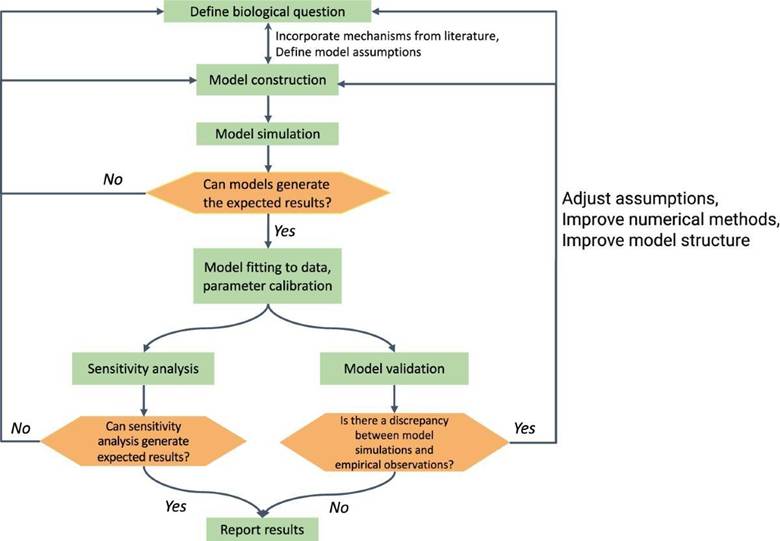
Figure 9. Workflow of ODE-Based Kinetic Modelling
Sources: Adapted from Jia et al. (2012) As shown in fig 9 ODE-basedkinetic modelling combines
biological knowledge with mathematical equationsto generate predictive simulations of biochemical systems.
Parameter estimation and model validation enable researchers to investigate dynamic behavior and evaluate system responses to genetic, environmental, or pharmacological perturbations (Jia et al., 2012). ODE-based models possess strong predictive capabilities because they capture time-dependent changesin biological systems and provide quantitative descriptions of metabolic dynamics (Stanford et al., 2023).
Systems Biologyand Network Modelling
Systems biology seeks to understand biological function through the integration of genes, proteins, enzymes, metabolites, and regulatory interactions into unified network models (Yugi et al., 2016). Network modelling provides a framework for analyzing these interactions and investigating how molecular processes collectively generate cellular phenotypes (Yugi et al., 2016).Advances in computational biologyhave enabled the development of increasingly sophisticated models capable of integrating large-scale experimental datasets with mechanistic descriptions of biological systems (Stanford et al., 2023).
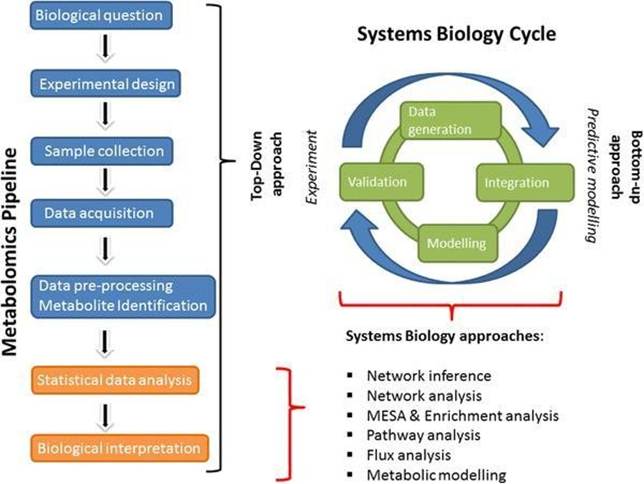
Figure 10. Systems biologyframework for metabolicnetwork modelling
Source: Stanford et al.(2023)
Systems biology integrates molecular components into interconnected network models that describe cellular function. By linking genes, proteins, enzymes, and metabolic pathways, researchers can investigate how molecular interactions contribute to physiological behavior and disease processes (Yugi et al., 2016). Computational tools play a critical role in kinetic modelling because they facilitate model construction, simulation, parameter estimation, visualization, and data exchange. These platforms support increasingly complex analyses and promote reproducibility within the systems biology community as summarizedin table 4 below.
Table 4. Computational tools used in kinetic modelling
| Software | Application |
| COPASI | Enzyme kinetics |
| MATLAB | Dynamic simulations |
| CellDesigner | Pathway modelling |
| SBML Tools | Model exchange |
Source: Yugi et al. (2016)
Applications of Kinetic Modelling
Drug Discovery and Pharmacology
Kinetic modelling has become an important componentof modern drug discovery and pharmacology because it provides quantitative frameworks for understanding drug–target interactions, enzyme activity, pharmacokinetics, and pharmacodynamics (Tonge, 2017). Drug-target kinetics has emerged as a critical consideration in pharmaceutical research because the duration of target occupancy and residence time can significantly influence therapeutic efficacy and safety profiles beyond traditional affinity measurements (Tonge, 2017). Kinetic models enable researchers to characterize the rates of drug binding and dissociation, thereby facilitating the prediction of drug behavior in biological systems and improving candidate selection during drug development. The integration of drug–target kinetics into pharmacokinetic and pharmacodynamic models providesa mechanistic basis for predicting therapeutic responses and optimizing dosing strategies (Tonge, 2017). Furthermore, kinetic modelling supports rational drug design by identifying factors that influence target vulnerability, kinetic selectivity, and therapeutic windows, thereby enhancing the efficiency of the drug discovery process. Drug metabolism also plays important roles in optimizing pharmacokinetics, pharmacodynamics, and safetyprofiles of drug candidates during drug discovery and development (Zhang et al., 2018). The incorporation of kinetic modelling into pharmaceutical research enables the prediction of metabolic behavior, assessment of toxicity risks, and evaluation of drug efficacy under varying physiological conditions (Zhang et al., 2018). Dynamic kinetic models have also been successfully applied to signaling, metabolic, and genetic regulatory networks, providing insights into biological function and potential therapeutic intervention strategies (Resat et al., 2009).
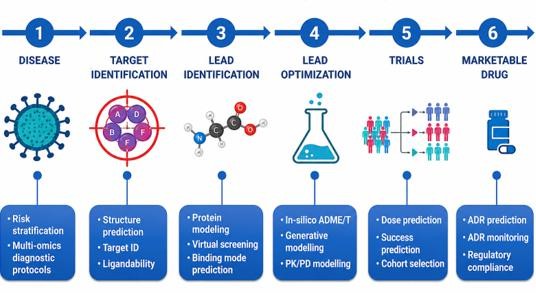
Figure 11. Application of Kinetic Modelsin Drug Development
Sources: Tonge (2017)
Kinetic models facilitate the progression of drug development from target identification to lead optimization by providing quantitative descriptions of enzyme behavior, drug-target interactions, and pharmacological responses (Tonge, 2017). These models enable predictive simulations that improve candidate selection, reduce development costs, and support evidence-based decision-making during pharmaceutical research (Tonge, 2017; Zhang et al., 2018).The pharmaceutical relevance of kinetic modelling continues to expand as advancesin computational biology and systems pharmacology enable increasingly sophisticated analyses of drug action.Mechanistic models provide a framework for integrating experimental observations with biological knowledge, allowing researchers to predict therapeutic outcomes and optimize treatment strategies before clinical testing (Tonge, 2017; Resat et al., 2009).
Biotechnology and Metabolic Engineering
Kinetic modelling has become an essential tool in biotechnology and metabolic engineering because it enables quantitative analysis of metabolicpathways and prediction of cellular responses to genetic and environmental perturbations (Saa & Nielsen, 2017). Dynamic models provide mechanistic insights into metabolic network behavior and support the rational design of biological systems for industrial applications. The use of kinetic models in metabolic engineering facilitates the identification of bottlenecks, optimization of pathway fluxes, and evaluation of engineering strategies aimed at improving product yields and process efficiency table 5 (Heijnen & Verheijen, 2013). Systems metabolic engineering requires kineticequations for enzymespresent within metabolic networks, making kinetic modelling fundamental for understanding and manipulating cellular metabolism (Heijnen & Verheijen, 2013). In biotechnology, kinetic models are increasingly used to optimize fermentation processes, improve microbial production platforms, and enhance the synthesis of biofuels, pharmaceuticals, and specialty chemicals. The ability of kinetic models to predict dynamic responses under changing process conditions provides valuable guidance for industrial process development and control (Saa & Nielsen, 2017). Furthermore, advances in enzymatic kinetics have enabled the application of microreactor technologies that offer precise process control, rapid mixing,and improved reactionefficiency for biotechnological processes (Sokač Cvetnić et al., 2023).
Table 5. Applications of kineticmodelling in biotechnology
| Application | Purpose |
| Biofuel production | Yield optimization |
| Fermentation | Process control |
| Synthetic biology | Pathway design |
Sources: Saa &Nielsen, (2017); SokačCvetnić et al. (2023)
The industrial significance of kinetic modelling lies in its ability to support process optimization, improve production efficiency, and facilitate rational engineering of biological systems (Saa & Nielsen, 2017). By integrating experimental observations with mathematical models, researchers can predict system behavior, identify engineering targets, and develop strategies for enhancing industrial performance. Applications in biofuel production, fermentation technology, and synthetic biology demonstrate the broad utilityof kinetic modelling across modern biotechnology sectors (Saa & Nielsen, 2017; Sokač Cvetnić et al., 2023).
Current Challenges in Kinetic Modelling
Despite substantial advancesin computational biologyand systems biotechnology, several challenges continue to limit the development and application of kinetic models (Mitra & Hlavacek, 2019). One of the most significant obstacles is parameter estimation because biological systems often contain large numbersof kinetic parameters that cannot be directly measuredexperimentally (Mitra & Hlavacek, 2019). The estimation of unknown kinetic parameters from time-series measurements remains a major bottleneck in the model-building process because many biological systems exhibit incomplete parameter identifiability and strong parameter correlations (Jia et al., 2012). In vivo kinetic experiments face additional challenges due to the complexity of the intracellular environment, the presence of allosteric regulators, and limitations associated with experimental measurements (Heijnen & Verheijen, 2013). Biological systems are characterized by multiscale organization, stochastic behavior, and nonlinearinteractions, all of which increase model complexity and computational requirements (Resat et al., 2009).Genome-scale kinetic modelsface additional difficulties related to model nonlinearity, computational tractability, parameter identifiability, estimability, and uncertainty(Stanford et al., 2015).These limitations make it difficult to construct predictive models that accurately represent biological processes while remaining computationally feasible. Furthermore, incomplete experimental data, measurement noise, and biological variability contribute to uncertainty in model predictions and reduce confidence in parameter estimates (Mitra & Hlavacek, 2019).
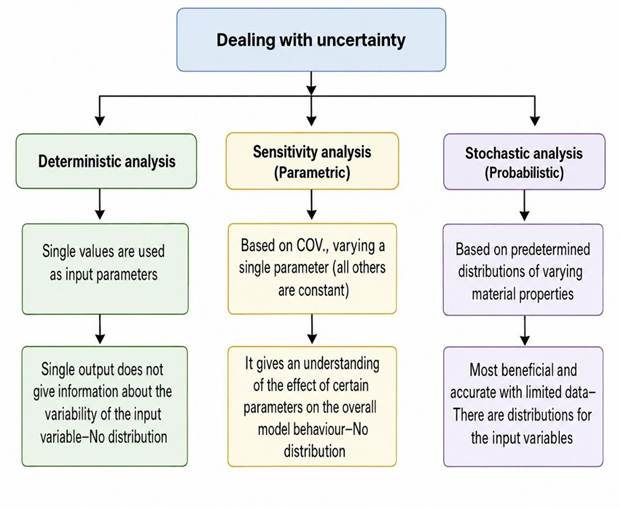
Figure 12. Challenges Affecting Accurate Kinetic Modelling
Sources: Mitra & Hlavacek (2019); Heijnen & Verheijen (2013)
Experimental variability and incomplete biological information contribute to uncertainty in parameter estimation. Parameter uncertainty increases model complexity and may reduce predictive accuracy, particularly in large-scale biological systems. Addressing these challenges requires improved experimental methods, robust computational approaches, and advanced uncertainty quantification techniques (Mitra & Hlavacek, 2019; Heijnen & Verheijen, 2013).
Emerging Trends
Recent advances in artificial intelligence and machine learning are creating new opportunities for kinetic modelling by improving parameter estimation, model construction, and predictive performance (Xie, 2024). Machine learning approaches are increasingly being explored as tools for predicting kinetic parameters and identifying relationships within complex biological datasets. The integration of AI with systems biology has the potential to enhance model scalability, reduce computational costs, and improve predictive accuracy across multiple biological scales (Wu & Xie, 2024).Multi-omics integration represents another emerging trend because comprehensive biological understanding requires simultaneous analysis of genomic, transcriptomic, proteomic, metabolomic, and phenotypic data. AI-driven multi-omics frameworks aim to integrate information across biological levels to predictgenotype–environment–phenotype relationships and support personalized medicine applications (Wu & Xie, 2024). Emerging technologies are expanding the capabilities of kinetic modelling by enablingintegration of large-scale biological datasets, improving predictive accuracy, and supporting personalized approaches to medicine and biotechnology. The convergence of artificial intelligence, machine learning, multi-omics analysis, and digital twin technologies is expected to drive the next generation of kinetic modelling applications in biological and biomedical research as summarized in the table below
Table 6. Emerging technologies in biochemical kinetic modelling
| Technology | Potential Impact |
| Artificial Intelligence | Automated model construction and prediction |
| Machine Learning | Parameter estimation and pattern recognition |
| Multi-omics Integration | Systems-level biological understanding |
| Digital Twins | Personalized simulation of biological systems |
| Personalized Metabolic Modelling | Precision medicine and individualized therapy |
Source:
Wu &Xie (2024)
Enzyme kinetics provides the quantitative foundation for understanding how enzymes catalyze biochemical reactions and regulate cellular metabolism. Fundamental kinetic concepts, including the Michaelis–Menten model, Lineweaver–Burk analysis, and mechanisms of enzyme inhibition, enable researchers to characterize enzyme activity, substrate affinity, catalytic efficiency, and regulatory interactions. These principles are essential for elucidating the dynamic behavior of biological systems and for understanding how metabolic processes respond to physiological and environmental changes.
Metabolic pathway modelling extends enzyme kinetic analysis beyond individual reactions by integrating multiple interconnected biochemical processes into comprehensive network frameworks. Through approaches such as metabolic flux analysis, ordinary differential equation (ODE)-based modelling, and systems biology, researchers can investigate pathway regulation, predict metabolic responses, identify rate-limiting steps, and explore the effects of genetic or environmental perturbations on cellular function. Such modelling approaches provide valuableinsights into the organization and control of complex biological systems.
The application of kinetic modellinghas made substantial contributions to biotechnology and medicine. In biotechnology, kinetic models support metabolic engineering, bioprocess optimization, and industrial enzymeapplications. In medicineand pharmaceutical research, these models facilitate drug target identification, enzyme inhibitor development, pharmacological characterization, and predictive simulation of therapeutic responses. Consequently, kineticmodelling has become an indispensable tool for advancing drug discovery and improving healthcare outcomes.
Future developments are expected to combine enzyme kinetics with artificial intelligence, machine learning, multi-omics technologies, and high-throughput experimental platforms. These advances will enhance model accuracy, improveparameter estimation, and enable more comprehensive simulations of biological systems.As computational and experimental capabilities continue to evolve, kinetic modelling will play an increasingly important role in precision medicine, systems biology, synthetic biology, and the development of innovative therapeutic strategies.
The authors of this researchhave significantly contributed to the study’s conception, data collection, and manuscript development. All authors were involved in writing the manuscript or critically reviewing it for its intellectual value. They have reviewedand approved the final version for submission and publication and accept full responsibility for the content and integrity of the work.
We thank all the researchers who contributed to the success of this research work.
The authorsdeclared that there are no conflicts of interest.
No fundingwas received for this researchwork